
IMANA NEWS
World Humanitarian Day 2026: Honoring Aid Workers and Global Health Response
24 August 2026
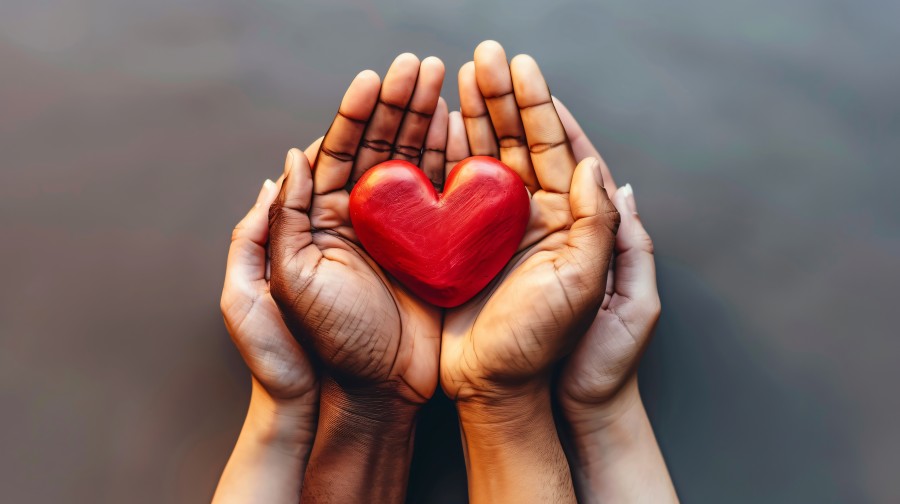
When disaster happens, doctors treat patients in temporary clinics, nurses work double shifts and a lot of people decide to volunteer, handing out resources such as clean water to families that have nowhere to go. This shows that all of us can play a part during crises, even if the conditions aren’t ideal. That’s what World Humanitarian Day is all about!
Every August 19, the day recognizes the people who keep helping during some of the hardest moments imaginable. It's also a reminder that humanitarian work isn't getting easier.
In recent years, humanitarian emergencies have increasingly occurred simultaneously. Organizations like IMANA respond to a wide range of humanitarian emergencies, including disasters and health crises. All of these issues hit many communities all at once, making it extremely complicated to deal with. This is why humanitarian aid isn’t just support; sometimes it’s the only immediate lifeline for affected communities.
The Meaning and Origins of World Humanitarian Day
World Humanitarian Day recognizes the people behind emergency response. Some work in hospitals. Others travel with mobile medical teams. Many never make the news. Their work saves lives every single day.
Historical Context and Purpose
The United Nations created World Humanitarian Day to honor aid workers who lost their lives while helping others. Over time, the meaning expanded.
Today, it's both a tribute and a call to action. Organizations use the day to explain what's happening in crisis zones, highlight humanitarian needs, and remind governments that protecting aid workers isn't optional. Without them, emergency response simply doesn't happen.
If you wish to learn more, our AidGaza webinar shares volunteers' firsthand experiences, the challenges they faced, and the lives they changed.
It's also an opportunity to remember something that's easy to forget. Humanitarian work isn't only about responding after disasters. A lot of it happens before and after the headlines, helping communities prepare, recover, and rebuild.
Core Principles Behind the Observance
Humanitarian organizations don't just go wherever they want and do whatever seems right. Their work follows four basic principles.
- Humanity: The goal is simple: protect life and reduce suffering wherever it's found.
- Neutrality: Humanitarian organizations avoid taking sides in political or military conflicts. That neutrality often allows them to reach communities that would otherwise be cut off from assistance.
- Impartiality: People receive help because they need it, not because of where they're from, what they believe, or who they support.
- Independence: Humanitarian decisions should stay separate from political or military interests.
They're simple ideas on paper. In the middle of a conflict or natural disaster, they're much harder to maintain. Still, they're essential.
Global Humanitarian Health Challenges in 2026
Humanitarian emergencies have become more complicated over the years. One crisis quickly turns into several. For example, floods damage hospitals, families are displaced, clean water becomes scarce, disease spreads, and local healthcare services struggle to keep up.
Health Systems Under Pressure
Many countries facing humanitarian emergencies already have limited healthcare resources. Then disaster hits. Healthcare workers may be forced to leave their communities or work with very little equipment.
The result is predictable. Healthcare becomes harder to access just when people need it most. Some of the services most commonly affected include:
- Maternal healthcare
- Newborn care
- Childhood vaccinations
- Emergency surgery
- Treatment for chronic diseases
- Mental health support
These aren't optional services. A child who misses routine vaccinations becomes more vulnerable to preventable diseases. Someone living with diabetes may suddenly lose access to insulin. Pregnant women can struggle to find prenatal care or a safe place to give birth.
Problems that are manageable in normal circumstances become emergencies surprisingly fast. Displacement makes everything even harder.
Refugees and internally displaced families often live in temporary shelters where clean water, sanitation, and medical care are limited. Healthcare teams have to move quickly while coordinating with local hospitals, governments, and humanitarian organizations.
Every crisis looks a little different, but the pressure on healthcare systems is almost always the same.
Climate Change and Disaster Response
Climate change is changing humanitarian work in ways that are becoming impossible to ignore:
- Floods
- Wildfires
- Hurricanes
- Droughts
- Heat waves
They're happening more often, affecting more people, and putting greater pressure on emergency services. The health impact goes well beyond the initial disaster.
Communities with stronger hospitals, trained emergency teams, reliable supply chains, and early warning systems usually recover faster. They can also reduce the number of people who need emergency humanitarian assistance in the first place.
The Role and Risks of Humanitarian Health Workers
Behind every humanitarian mission is a surprisingly large team. Some provide medical care. Others organize transportation, distribute supplies, manage logistics, or coordinate local health services. All of those jobs matter and can’t be neglected.
Delivery of Care in Unstable Environments
Humanitarian healthcare covers much more than emergency medicine. Doctors and nurses treat injuries after earthquakes, floods, armed conflict, and other disasters. Infectious disease specialists monitor outbreaks and organize vaccination campaigns. Mental health professionals help people dealing with trauma, grief, anxiety, and displacement.
Community health workers often become the bridge between humanitarian organizations and local families.
They understand the language, culture, and everyday challenges of the communities they serve. That local knowledge builds trust, improves communication, and helps healthcare teams reach people who might otherwise be left behind.
Successful humanitarian responses rarely depend on one organization.
Instead, governments, hospitals, nonprofit organizations, universities, and local leaders usually work together. That collaboration makes emergency response faster, more coordinated, and much more sustainable.
Protection, Safety, and Ethical Challenges
Humanitarian workers often operate in places where roads are damaged, communication is unreliable, and hospitals are barely functioning. In conflict zones, the risks are even greater. Some teams work knowing the situation could change in minutes.
No healthcare worker wants to choose who receives treatment first, but limited resources can make those choices unavoidable. Teams have to balance urgent medical needs with staff safety and the reality of what's available.
That's why international humanitarian law matters so much. It helps protect hospitals, ambulances, healthcare workers, and civilians during armed conflicts. When those protections are ignored, everyone pays the price.
Some key protections needed for humanitarian health workers are:
- Respect international humanitarian law.
- Protect hospitals and medical facilities.
- Keep roads and supply routes accessible.
- Support the physical and mental well-being of aid workers.
- Improve training and emergency preparedness.
- Hold attacks against healthcare workers accountable.
Protecting humanitarian workers also protects the people depending on their care.
Conclusion
Thinking that humanitarian work is easy can be a common thought. But the reality is that it’s way bigger than that, and very difficult to handle. Emergencies can affect everyone. From floods, wildfires, diseases to outbreaks, including many other disasters that happen yearly, provoking crises among healthcare systems and planning.
World Humanitarian Day 2026 provides everyone a chance to recognize all the people who step in to help those who need it. All of this work is done in silence, away from the spotlight but with a huge impact.
When thinking about the future, challenges won’t be easier at all. Ongoing conflicts, new disasters and climate change will continue to test emergency response teams around the world, and that’s why your help is necessary. Organizations like IMANA help with volunteer work and donations to ensure people worldwide have the resources they need during hard times.
Frequently Asked Questions
What is World Humanitarian Day and why is it observed?
World Humanitarian Day takes place every year on August 19. It recognizes humanitarian workers, honors those who lost their lives while helping others, and raises awareness about global humanitarian needs.
Who does World Humanitarian Day aim to recognize and support?
The day recognizes doctors, nurses, emergency responders, aid workers, volunteers, community health workers, and many others who provide essential support during conflicts, disasters, disease outbreaks, and other emergencies.
What are the biggest humanitarian health challenges today?
Some of today's biggest challenges include armed conflict, climate-related disasters, forced displacement, fragile healthcare systems, infectious diseases, food insecurity, and limited access to basic medical services.