
IMANA NEWS
International Day of Play: Why Every Child Deserves It
07 June 2026
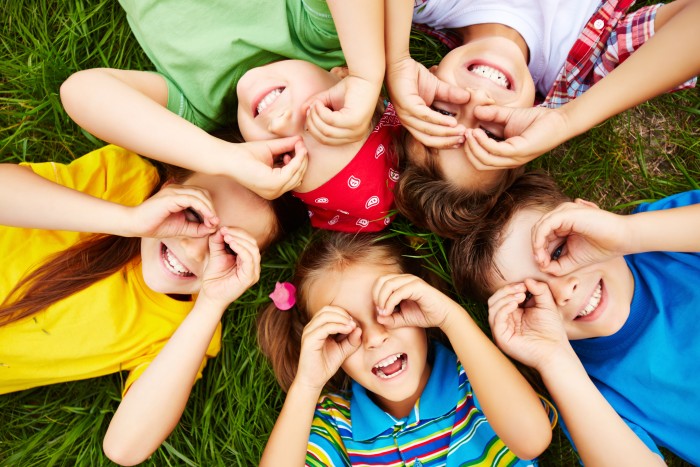
Play is a normal part of childhood. Children use play to explore, communicate, learn, and connect with other people. A child playing outside may seem like simple entertainment, but play supports emotional, physical, and social development at the same time.
Many adults think play is separate from learning. In reality, children learn constantly while playing. They solve problems during games, practice communication during group activities, and develop creativity through imagination and exploration.
But not every child has safe access to play. Some live in communities affected by poverty, violence, displacement, or conflict and don’t have safe parks or playgrounds nearby. Others spend childhood dealing with stress, instability, or unsafe living conditions.
The International Day of Play was created to highlight this issue. The observance reminds communities that children need more than just food, shelter, and education. Children also need safe spaces where they can play, be creative, interact socially, and develop emotionally.
Organizations such as IMANA support children through healthcare, education, emotional support, and humanitarian programs. These efforts recognize that healthy childhood development includes emotional well-being and safe recreation.
What Is the International Day of Play?
The International Day of Play is a global observance focused on childhood development and recreation.
Play refers to activities that support creativity, learning, movement, imagination, and social interaction. The United Nations officially recognized the observance to raise awareness about the importance of play in children’s lives.
The observance focuses on several areas:
- Physical development.
- Emotional well-being.
- Social skills.
- Creativity.
- Learning through recreation.
The International Day of Play also highlights unequal access to safe recreation. Many children still lack access to playgrounds, schools, sports programs, or safe community spaces. For example, some children grow up without safe opportunities for healthy play, such as:
- Children living in refugee camps.
- Children affected by war.
- Children living in poverty.
- Children in unsafe neighborhoods.
- Children with limited educational access.
The International Day of Play promotes safe and healthy childhood development through recreation and social interaction.
When Is International Day of Play?
The International Day of Play takes place every year on June 11. Communities celebrate the observance through activities focused on childhood well-being and recreation, such as:
- Outdoor games
- Sports activities
- Art workshops
- Storytelling events
- Community gatherings
- Educational activities
The observance also encourages families to spend more time participating in healthy recreational activities together. This date is dedicated to promoting safe play and healthy childhood experiences.
Reasons Why Play Matters for Children
Play supports multiple areas of childhood development. Children learn through movement, creativity, exploration, and communication. Play also helps children process emotions and develop social skills.
Physical Development Through Play
Physical play supports healthy movement and motor development. Motor skills are abilities related to body movement and coordination.
Some of the most important physical play activities are:
- Running
- Climbing
- Jumping
- Dancing
- Playing sports
With these activities, children can improve:
- Balance
- Coordination
- Strength
- Physical fitness
Regular physical activity may also support:
- Better sleep
- Lower stress
- Healthier routines
Physical play supports healthy childhood growth and movement and plays an important role in child development.
Emotional Development Through Play
Young people often express emotions through games, creativity, and imagination. Play can help children:
- Feel calmer
- Reduce stress
- Build confidence
- Process experiences
- Feel emotionally supported
This becomes especially important during difficult situations, such as:
- Family instability
- Displacement
- Conflict
- Trauma
- Economic hardship
Many humanitarian programs include recreational activities because structured play supports emotional recovery.
Social Development Through Play
Youngsters learn communication and cooperation through group activities. Sharing, teamwork, patience, problem-solving, and conflict resolution are important skills every child should learn. Children also build friendships during recreational activities.
Kids without safe social environments may experience isolation. To address this issue, safe recreational spaces encourage healthy interaction and communication.
Certain neurodevelopmental conditions, such as autism, can also impact social development. Our webinar by Dr. Khadija Khan explains the importance of detecting autism and how to understand it in order to support children’s educational, emotional, and behavioral development.
Creativity and Learning Through Play
Children naturally explore ideas through creative activities, like:
- Drawing
- Storytelling
- Pretend games
- Music
- Building activities
Play-based learning helps children stay engaged during educational activities. Many teachers support play-based education because interactive learning often improves participation and curiosity.
Challenges Affecting Access to Play
Millions of children lack access to safe recreation. Several factors contribute to this problem, such as:
Poverty and Economic Hardship
Some families cannot access safe parks, schools, or recreational programs. In some communities:
- Playgrounds are limited.
- Schools are overcrowded.
- Public spaces may feel unsafe.
Some children also take on adult responsibilities at a young age. Economic hardship can reduce access to safe childhood recreation.
Conflict and Displacement
Children affected by conflict or displacement often experience interrupted childhood development. Examples include:
- Refugee camps
- Disaster zones
- Conflict areas
- Temporary shelters
Kids in these environments may lack:
- Safe schools
- Recreational programs
- Outdoor spaces
- Stable routines
Humanitarian organizations often create child-friendly spaces to support emotional well-being. At IMANA, we provide medical relief and resources to families in need. We have medical missions and healthcare projects in Gaza, Pakistan, India, Syria, Yemen, and many other regions around the world.
Unequal Access to Technology and Education
Some children have access to digital learning tools and educational resources. Other children do not.
Digital inequality refers to unequal access to the internet, devices, or technology, devices, or technology. This may affect:
- Educational opportunities
- Social interaction
- Creative activities
- Access to learning tools
Unequal access to technology can affect childhood development and learning opportunities.
Play and Compassion in Islam
Islam emphasizes compassion, kindness, and care toward children. Children are viewed as deserving of the following:
- Protection
- Emotional support
- Education
- Patience
- Healthy environments
Historical examples from the life of the Prophet Muhammad describe kindness and gentleness toward children. Islamic teachings also encourage balance.
Providing children with safe opportunities for play aligns with broader values connected to compassion and community care.
Why Safe Spaces for Play Matter
Safe environments affect whether children can play freely and comfortably. Examples of safe recreational spaces include:
- Parks
- Schools
- Playgrounds
- Youth centers
- Sports programs
At the same time, these environments support:
- Emotional security
- Social interaction
- Physical activity
- Creativity
- Confidence
Safe recreational environments support healthier childhood development.
How IMANA Supports Children and Communities
IMANA supports humanitarian and community programs focused on children and families.
One example of this work takes place in Jordan, where IMANA organizes art and coloring activities for children who accompany their parents and guardians to our mobile medical clinics. Many of these children come from refugee families who have been displaced from their homes and continue to face significant hardship, uncertainty, and trauma. With limited opportunities for recreation and creative expression, these activities provide a safe and positive outlet that supports their emotional and psychological well-being.
The sessions offer children moments of joy, comfort, and normalcy while encouraging creativity, self-expression, and resilience. Their smiles and laughter also help create a more welcoming atmosphere for patients and families visiting the clinics. For a time, concerns about illness and hardship give way to the simple happiness of childhood, bringing hope and positivity to the entire community.
Our programs include:
- Healthcare support
- Educational assistance
- Emotional care
- Family services
- Community outreach
- Recreational activities
The goal is long-term well-being for vulnerable communities. Healthy childhood development depends on more than physical survival. Emotional support, education, safety, and social connection also matter.
Ways Families and Communities Can Celebrate International Day of Play
Communities can celebrate the International Day of Play through simple recreational activities. Families are encouraged to participate in activities that children enjoy, such as:
- Outdoor games
- Family activities
- Reading together
- Art projects
- Sports events
- Storytelling sessions
Communities can also support children through volunteer work and donations, like:
- Supporting youth programs.
- Donating books or games.
- Volunteering at community centers.
- Promoting accessible playgrounds.
- Supporting humanitarian organizations.
Small actions can still positively affect children’s emotional well-being. Through these efforts, communities can support healthy childhood experiences through recreation and engagement.
Looking Ahead
The International Day of Play highlights the importance of healthy childhood experiences.
Play supports emotional, social, and physical development throughout childhood.
Children facing poverty, displacement, conflict, or instability may especially benefit from safe recreational opportunities and supportive environments.
At IMANA, we continue supporting children through healthcare, education, humanitarian programs, and emotional support services. Our work also depends on community support. Volunteering or donating can make a meaningful difference.