


The power of collective giving
Ramadan is a month of blessings and generosity, where our actions are magnified in their impact. By donating now to IMANA’s healthcare initiatives, you pave the way for planning and executing impactful work, ensuring a profound and widespread effect on those in need this Ramadan
With your compassion and care, we can grow our impact this year, and make this Ramadan one of healing and hope.
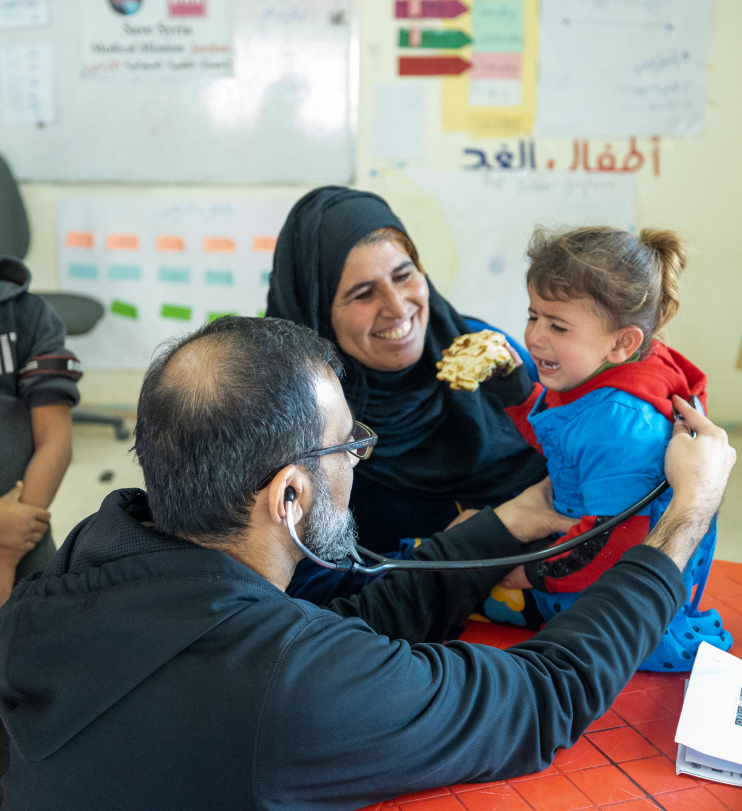

Featured Campaigns
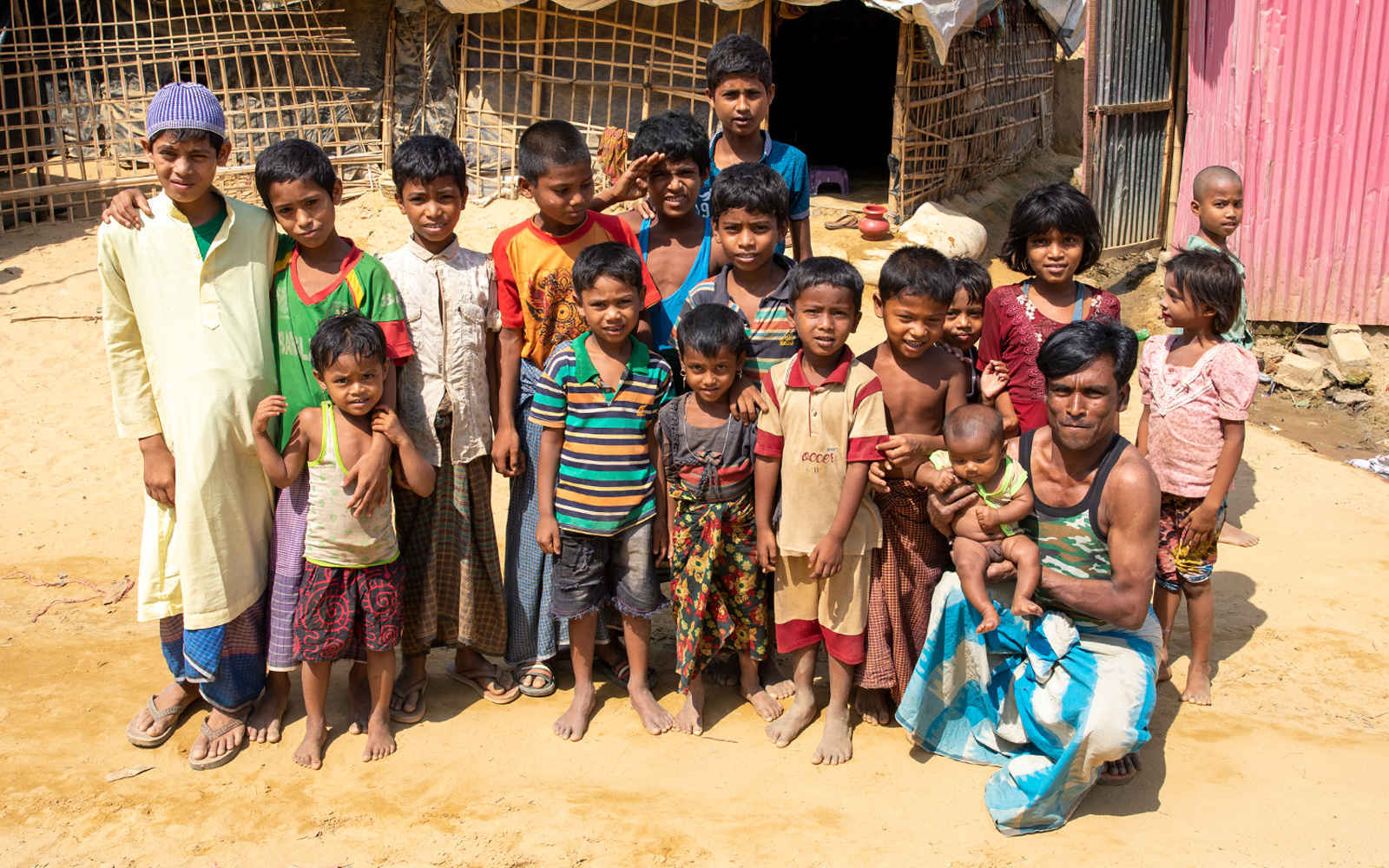
South East Asia
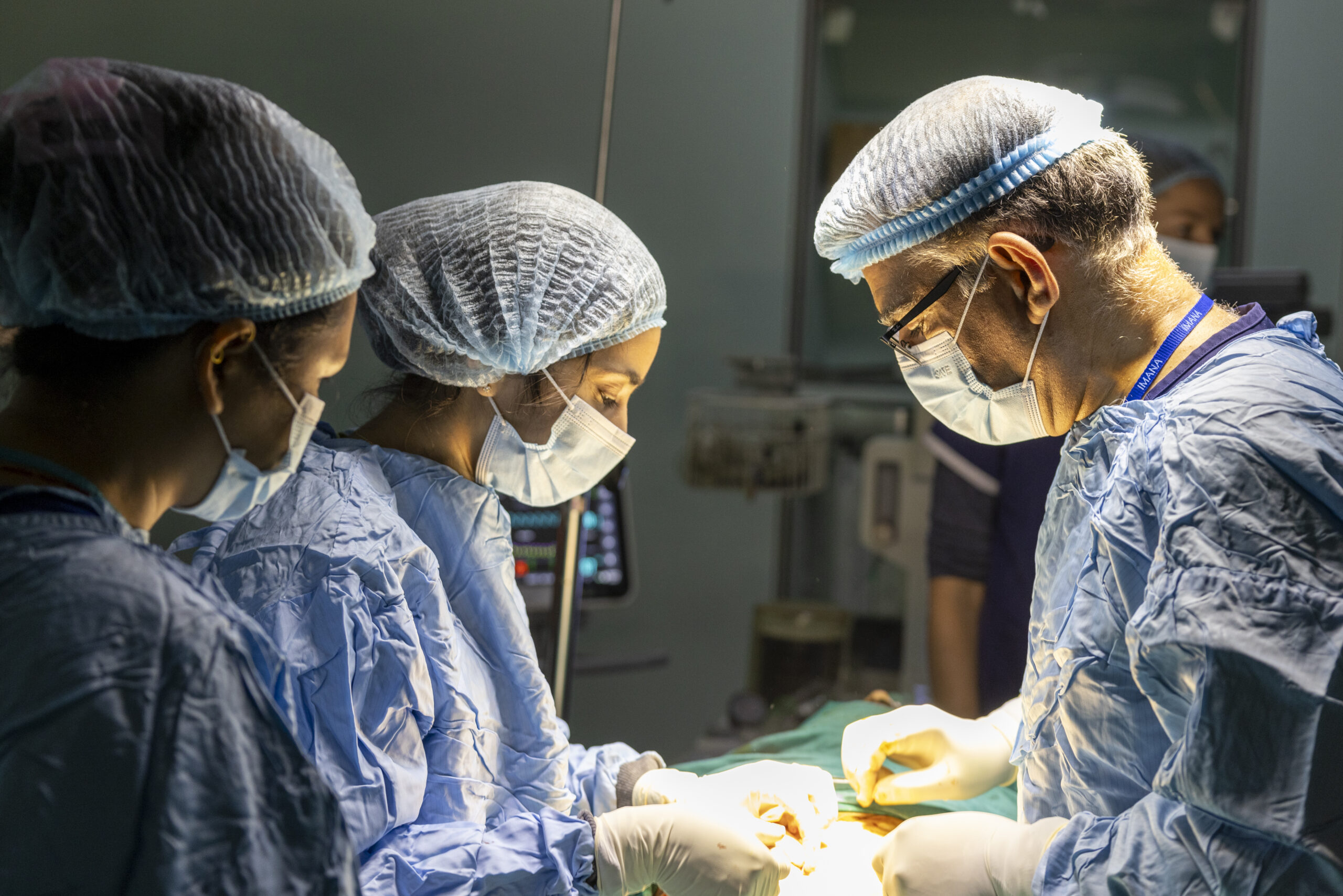
Middle East
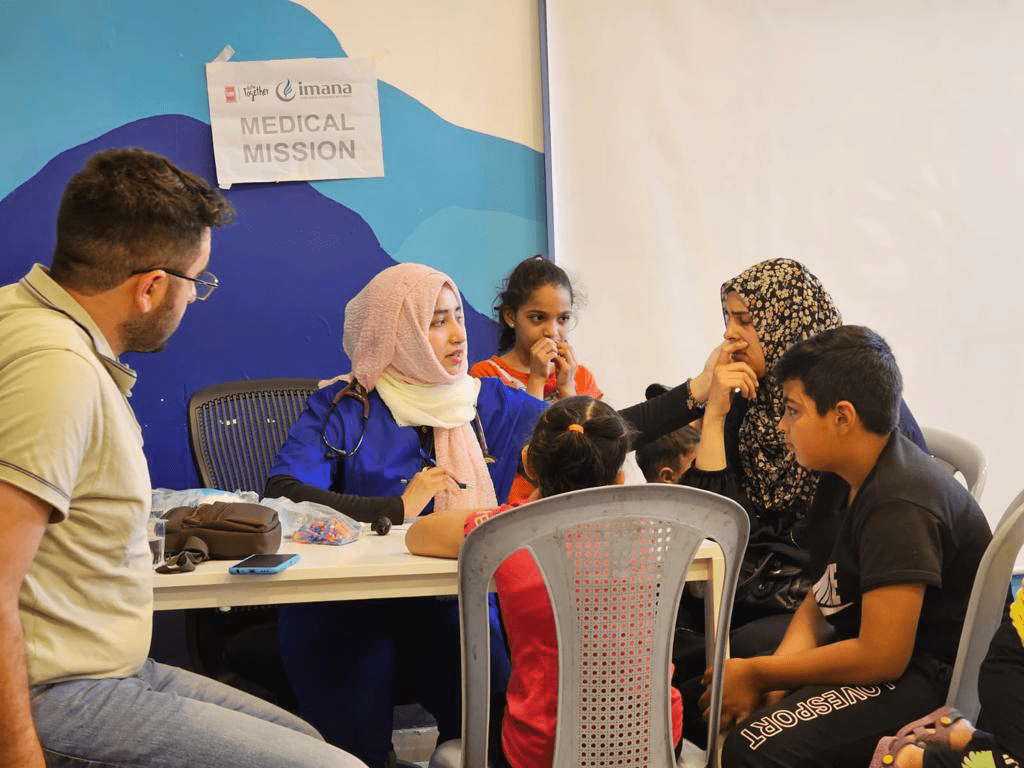
Across Lebanon, Jordan, Gaza, and Palestine, ongoing crisis has left millions without reliable healthcare. This Ramadan, your zakat and sadaqah can help IMANA provide critical medical services—from essential treatment and medications to cataract and surgical care—bringing relief to families living through unimaginable hardship.
Africa

In Kenya, Uganda, Mauritania, Sudan and Somalia, countless families face serious illness without access to basic healthcare. Your Ramadan donation helps IMANA deliver urgent medical relief, essential medicines, and compassionate care to underserved communities—giving children, mothers, and elders a chance at healing and hope.
Domestic Relief
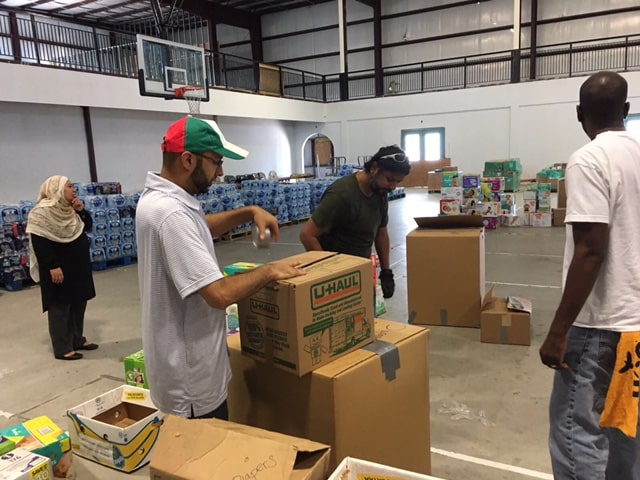
This Ramadan, your generosity can help struggling families right here in the United States who face medical hardship, and limited access to care. Your donation supports IMANA’s domestic relief efforts, ensuring vulnerable neighbors receive support, dignity, and compassion when they need it most.
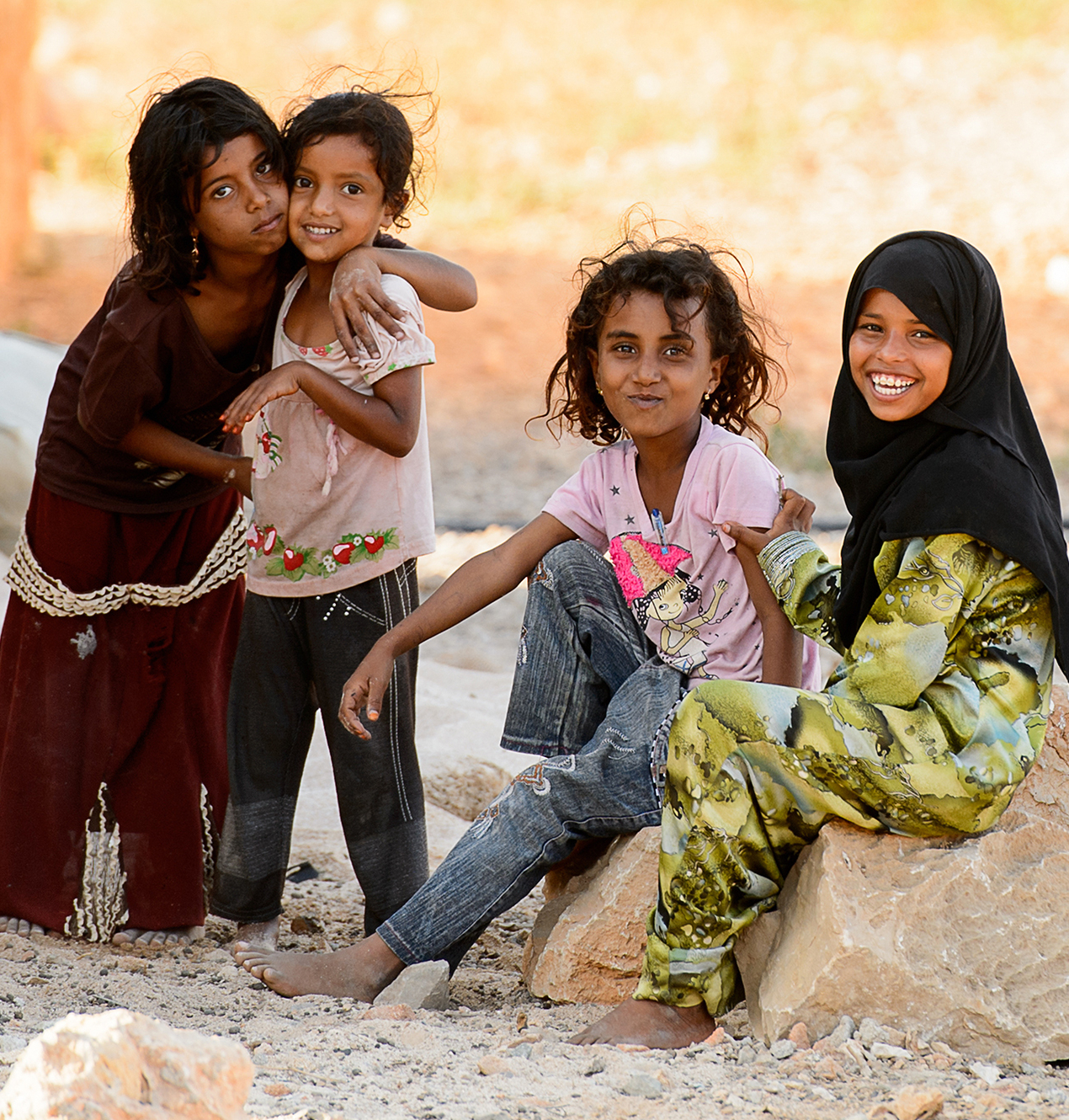
Displaced Populations
Automate your donations
Never miss Laylatul Qadr.
Automate your donations through IMANA’s platform
About Ramadan
All Muslims who have reached puberty and are in good health are required to fast. The sick and elderly, along with travelers, pregnant women and those who are nursing are exempt, although they are supposed to make up for the missed fast days sometime in the future or help feed the poor.
The first pre-dawn meal of the day during Ramadan is called “suhoor.” Each day’s fast is broken with a meal known as “iftar.” Traditionally, a date is eaten to break the fast. Iftars are often elaborate feasts celebrated with family and friends. The types of foods served vary according to culture.
Offering zakat is a religious obligation for Muslims, and is the third of the five pillars of Islam (right after prayer). In Arabic, zakat means purification, growth and blessing. Paying zakat is meant to remind Muslims to be appreciative of the blessings that Allah (Subhana Wa Ta’ala) has bestowed upon them, and to help empower those who have less. There are two primary forms of zakat: zakat al-mal and zakat al-fitr. Zakat al-mal is not required to be given in the month of Ramadan, but many people prefer it due to the increased reward during this holy month.
The amount of zakat given is usually based off the current price of three ounces of gold.
Who is Eligible to Receive Zakat?
IMANA collects and distributes zakat to those who are most in need, in accordance with Islamic guidelines. Giving your zakat through IMANA means you can help support our global IMANA Medical Relief missions which have provided healthcare and treatment to over 2.5M + patients in 34 countries, as well as educational services and medical advocacy initiatives regarding the treatment of Muslims across the world. According to the Holy Qur’an (9:60), there are eight categories of people who qualify to be beneficiaries of zakat:
- The poor
- The needy
- The collectors of zakat
- Those whose hearts are to be won over
- Captives
- Those burdened with debt
- In the cause of Allah (swt)
- Travelers
Most scholars agree that the poor and needy are the most important categories of people to receive zakat. Given that, it is acceptable to give your entire zakat allotment to individuals who are in those groups.
How nisab is calculated:
Gold nisab: The nisab is based off of 3.08 ounces (87.48 grams) of gold.
1 ounce = $5008.10 as of (Feb 16th 2026)
Total: $15,424.94
If you prefer to use the silver nisab:
The nisab is based off of 21.6 ounces of silver.
1 ounce = $76.50 as of (Feb 16th 2026)
Total: $1652.40
Ramadan Ends In
Day(s)
:
Hour(s)
:
Minute(s)
:
Second(s)
As the days of Ramadan pass, every moment is a chance to make a difference. Your donation can brighten someone’s life—don’t let this blessed month pass without making an impact.
Ways to Give
9681 Main Street, Suite B, Fairfax, VA 22031
Zelle
Phone
Venmo
Text-to-Give
Text IMANA to 44321
Cars4Health
Visit our Cars4Health page to learn more about making a car donation.
Have a question? Get in touch.
Locations:
Virginia: 9681 Main Street, Suite B, Fairfax, VA 22031
Phone:
202-559-3765
Fax:
630-932-0005
Email:


IMANA is a registered 501(c)(3) nonprofit organization. All donations to IMANA are tax exempt. Tax ID: #36-4166125
Stay up-to-date with IMANA's newsletters and never miss a thing!
By submitting this form, you are consenting to receive marketing emails from: . You can revoke your consent to receive emails at any time by using the SafeUnsubscribe® link, found at the bottom of every email. Emails are serviced by Constant Contact