
IMANA NEWS
Fighting Cholesterol and Heart Disease Risk
14 September 2026
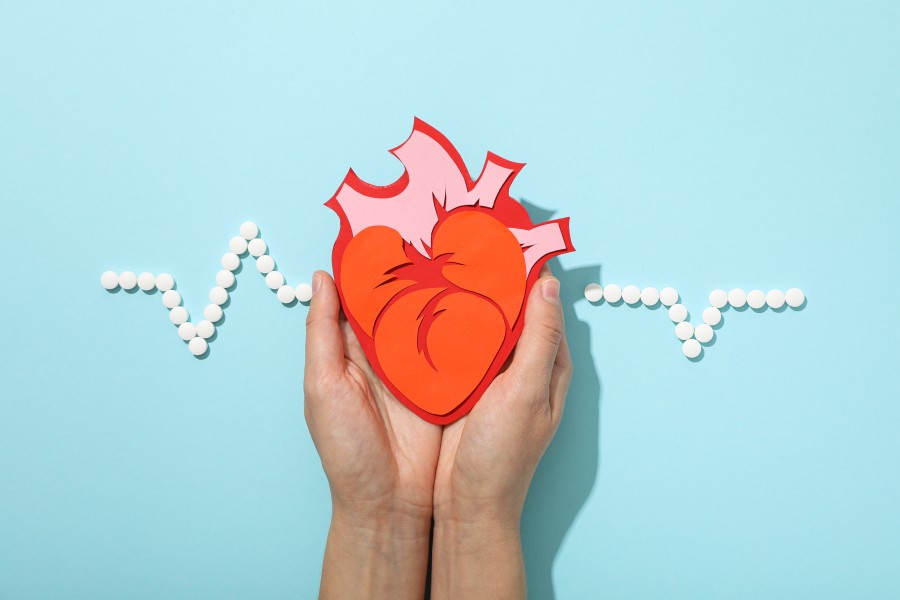
When people hear cholesterol, they often think of something unhealthy that should be avoided, but that is not quite how it works. The body actually needs cholesterol. The problem appears when having high levels of certain types in the bloodstream. LDL, in particular, can contribute to plaque buildup in the arteries.
Two of the main lipoproteins involved in moving cholesterol around the body are:
- LDL Cholesterol: High LDL levels can contribute to plaque collecting in artery walls. Generally, having less LDL means having a lower cardiovascular risk.
- HDL Cholesterol: HDL helps carry cholesterol from tissues back toward the liver. Higher HDL levels have been linked with cardiovascular health, although HDL alone does not tell the whole story.
Learning about cholesterol is part of taking care of your heart. September is National Cholesterol Education Month. The awareness initiative encourages people to learn more about cholesterol and, importantly, know their numbers.
A blood test is only one part of that picture. High cholesterol often has no symptoms at all. Someone can have unhealthy cholesterol levels and feel completely fine.
There are other things to consider, too. Blood pressure, diabetes, smoking, physical activity, weight, age, and family history can all affect a person's risk of heart disease.
That makes National Cholesterol Education Month a good opportunity to step back and look at overall cardiovascular health. Instead of focusing on one number from a lab report, people can look at their full lipid profile, talk through their risk with a healthcare professional, and figure out what changes may actually be useful for them.
Understanding Cholesterol and Its Functions
Cholesterol is a waxy substance found in the body's cells. It is involved in producing hormones and maintaining cell structures, among other jobs.
Your body makes the cholesterol it needs. Food can affect blood cholesterol, too. Dietary cholesterol and the kinds of fats in your diet can influence those levels.
So cholesterol itself isn't the enemy. The issue is what happens when blood lipid levels become unhealthy. Certain combinations of lipid levels can increase the chance of cardiovascular problems.
Food choices can make a difference. Diets that contain a lot of saturated and trans fats may contribute to unhealthy cholesterol levels. Eating patterns built around healthier foods can, on the other hand, support heart health.
Genes can make things more complicated. Familial hypercholesterolemia is one example. People with this inherited condition can have very high LDL cholesterol starting at a young age. In cases like these, changing what you eat and getting more exercise may not be enough.
LDL, HDL, and Triglycerides Explained
A lipid profile isn't just one cholesterol number. It gives information about several substances in the blood. Knowing what those numbers represent makes the results a little less confusing.
LDL carries cholesterol through the bloodstream, and too much LDL can contribute to cholesterol collecting in artery walls. That buildup can eventually lead to plaque and raise cardiovascular risk. The National Heart, Lung, and Blood Institute identifies LDL as the main source of cholesterol buildup and blockages in the arteries.
Then there is HDL, which you may have heard called “good” cholesterol. HDL helps move cholesterol away from the arteries. But a high HDL number does not automatically mean a person is protected from heart disease. There is no single cholesterol number that tells the entire story.
Triglycerides are different from cholesterol. They are another type of fat found in the blood. High triglycerides can be linked with higher cardiovascular risk, especially when they occur with other unfavorable lipid levels or with conditions such as diabetes.
How Cholesterol Contributes to Heart Disease Risk
Atherosclerosis occurs when plaque builds up inside artery walls. LDL cholesterol can play a role in that buildup. As plaque accumulates, the arteries may become narrower, leaving less room for blood to move through.
If the affected arteries supply the heart, the result can be coronary artery disease. There is also a more serious possibility. A piece of plaque can become unstable, contribute to a blood clot, and block blood flow. That can result in a heart attack. When similar problems affect blood vessels supplying the brain, a stroke can occur.
The tricky part is that this process usually happens slowly. There may be no obvious sign that anything is happening. A person can feel perfectly healthy while plaque is developing inside the arteries.
That is one reason screening matters. You cannot reliably wait for symptoms to tell you that your cholesterol is too high. In most cases, elevated cholesterol does not produce noticeable symptoms.
There is also the issue of time. Exposure to high LDL levels over many years can add to cardiovascular risk. Finding unhealthy levels sooner gives people an opportunity to address them as part of a broader prevention plan.
Other Factors That Influence Risk
Cholesterol doesn't operate on its own. Heart disease risk is affected by a combination of things, some of which people can change and others they cannot.
| Risk factor | Can be modified? | Why does it matter? |
| Age | No | Cardiovascular risk generally increases with age. |
| Genetics | No | Inherited factors can increase cholesterol and heart disease risk. |
| High LDL cholesterol | Often yes | Elevated LDL can contribute to plaque formation. |
| High blood pressure | Yes | Persistent high pressure can damage artery walls. |
| Smoking | Yes | Tobacco damages blood vessels and increases cardiovascular risk. |
| Physical inactivity | Yes | Inactivity can contribute to several cardiovascular risk factors. |
| Diabetes | Manageable | Diabetes is associated with increased cardiovascular risk. |
| Unhealthy diet | Yes | Certain dietary patterns can contribute to unhealthy cholesterol and blood pressure. |
| Excess weight | Often manageable | Excess weight is associated with several cardiovascular risk factors. |
The CDC considers high cholesterol, high blood pressure, and smoking major risk factors for heart disease. Diabetes, physical inactivity, an unhealthy diet, and overweight or obesity can also increase that risk.
Screening, Prevention, and Risk Reduction
One useful thing about cholesterol testing is that it can uncover a problem before a person notices anything is wrong. A lipid profile generally measures total cholesterol, LDL cholesterol, HDL cholesterol, and triglycerides.
But getting the results isn't the end of the process. A healthcare professional doesn't have to look at a cholesterol number in isolation. They can consider the results alongside blood pressure, diabetes, smoking, age, family history, and other factors when assessing cardiovascular risk.
Depending on that overall picture, the next step could be lifestyle changes, medication, additional testing, regular monitoring, or a combination of approaches.
Practical Steps to Support Healthy Cholesterol Levels
There isn't one magic habit that keeps cholesterol healthy. Usually, it comes down to several things working together. For some people, lifestyle changes can have a meaningful effect. For others, medication is part of the plan.
Food is one place to start. A heart-healthy diet can include vegetables, fruits, whole grains, and other nutrient-rich foods. It also helps to cut back on foods containing large amounts of saturated and trans fats.
Then there is physical activity. Getting regular exercise can help with several things at once, including weight, blood pressure, blood sugar, and cholesterol. The CDC recommends that adults get about 150 minutes of moderate-intensity physical activity each week.
Smoking deserves attention as well. Tobacco harms blood vessels and increases cardiovascular disease risk. Quitting can lower that risk. If you want more information, our webinar by Dr. Azeem Elahi covers why avoiding tobacco matters, as well as the risks of vaping and related lung diseases.
A few simple questions can also help when talking with a healthcare professional:
- Find out when you should have your cholesterol checked again.
- Go over your LDL, HDL, triglyceride, and total cholesterol results.
- Mention any family history of high cholesterol or early heart disease.
- Check your blood pressure and blood sugar as recommended.
- Ask what kind of physical activity would be appropriate for you.
- Talk about realistic dietary changes that could benefit your heart.
- If you smoke, ask what quitting resources are available.
- Make sure you understand any prescribed medications and follow-up testing.
The point isn't to obsess over reaching one “perfect” cholesterol number. A better approach is to understand your individual risk and make decisions with a qualified healthcare professional based on the full picture.
National Cholesterol Education Month as an Opportunity for Action
Healthy habits are generally easier to maintain when they become part of normal life. Families can help each other eat better, stay active, and maintain smoke-free environments rather than treating these things as occasional health projects.
Community organizations and healthcare groups have a role here, too. Health information is much more useful when people can actually understand it. Screening programs and educational resources can also make it easier for people to find preventive care.
There is another issue that sometimes gets overlooked: access. Knowing that you should get screened does not necessarily mean getting screened is easy. Where someone lives, their financial circumstances, and their access to healthcare can all affect whether they receive appropriate screening or treatment.
A 2025 federal Senate resolution designating September as National Cholesterol Education Month also pointed to unequal access to care as one factor associated with cardiovascular health outcomes.
Conclusion
National Cholesterol Education Month is a reminder that heart disease prevention should not begin only after symptoms show up. Cholesterol is something the body needs, but unhealthy levels can contribute to cardiovascular problems.
Looking at a lipid profile as a whole is more useful than concentrating only on total cholesterol. LDL, HDL, triglycerides, blood pressure, blood sugar, smoking, physical activity, weight, age, and family history all have a place in the overall picture.
If you want to learn more about health or find ways to make a difference, explore our articles at IMANA.