
IMANA NEWS
Adult Vaccination Schedule: Essential Immunizations for Lifelong Protection
24 August 2026
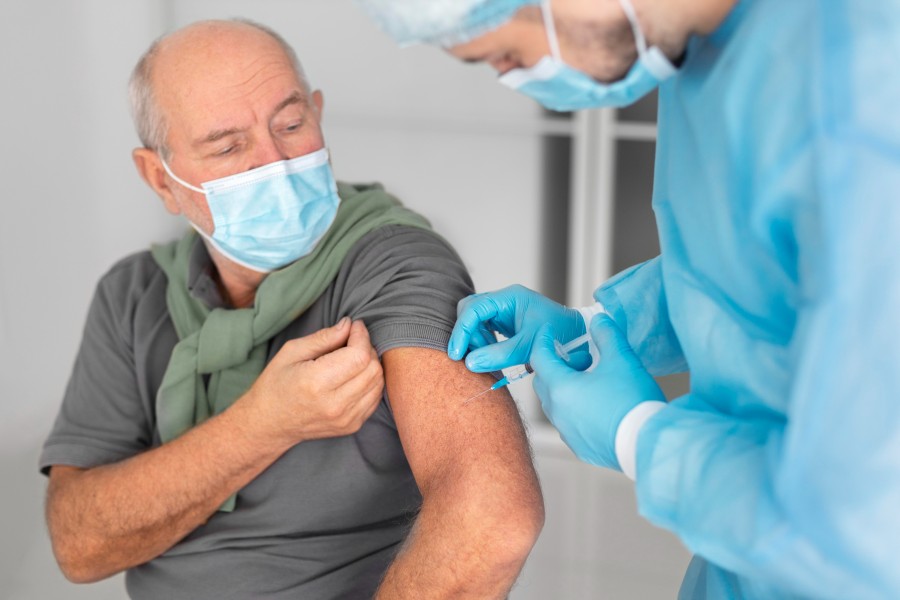
Many people think of vaccines as something you receive during childhood and rarely think about again. In reality, immunization is a lifelong part of preventive healthcare.
As we age, immunity from certain vaccines can decrease, new health risks emerge, and chronic medical conditions may increase vulnerability to serious infections.
Staying current with recommended vaccines helps reduce the risk of illness, hospitalization, and complications throughout adulthood. This is why increasing adult vaccination is very important. This can be achieved through:
- Strong healthcare provider recommendation: A direct recommendation is the single strongest predictor of an adult getting vaccinated. Providers should assess every patient's immunization status at every visit.
- Implement standing orders: Nurses or pharmacists can administer vaccines based on protocols without requiring a physician's direct exam first.
- Reminder/recall systems: Electronic health records (EHR), texts, or mailers can help to remind patients about upcoming or overdue vaccinations.
- Reducing barriers: Minimizing out-of-pocket costs and making vaccines highly accessible through pharmacies, mobile clinics, and workplace programs.
- Patient education: Providing personalized, clear information about what vaccines are needed and addressing individual concerns to overcome hesitancy.
For Muslim communities, organizations like the Islamic Medical Association of North America (IMANA) also play an important role by providing culturally competent, evidence-based health education.
By combining trusted medical guidance with faith-informed outreach, IMANA helps individuals and families make informed healthcare decisions while addressing common concerns about vaccination.
Why Adult Vaccination Matters in Preventive Healthcare
Immunity is not always permanent. Some vaccines provide lifelong protection, while others gradually lose effectiveness over time. This natural decline, known as waning immunity, explains why adults need booster doses for certain diseases.
For example, protection against tetanus and diphtheria decreases over the years, making booster shots necessary every ten years. Immunity against pertussis (whooping cough) also declines, which is why adults are advised to receive at least one Tdap vaccine during adulthood, especially during pregnancy.
Influenza presents a different challenge because the virus changes from year to year. Annual flu vaccination helps the immune system recognize the strains expected to circulate each season, reducing the likelihood of severe illness.
As people grow older, the immune system naturally becomes less effective. This age-related decline increases the risk of infections such as shingles and pneumococcal disease, making age-specific vaccination recommendations especially important.
Vaccine-Preventable Diseases That Disproportionately Affect Adults
Several vaccine-preventable diseases are particularly concerning for adults because the risk of complications increases with age or underlying medical conditions.
Seasonal influenza remains one of the leading causes of preventable hospitalization among older adults every year. While many recover within days, influenza can lead to pneumonia, worsening chronic diseases, and even death in high-risk populations.
Shingles develops when the virus that causes chickenpox becomes active again later in life. It can cause severe pain that lasts for months and significantly affects quality of life.
Pneumococcal disease may lead to pneumonia, bloodstream infections, and meningitis. Adults aged 65 and older, along with those who have chronic illnesses, face the greatest risk of severe disease.
Hepatitis B continues to affect adults through exposure to infected blood or body fluids. Vaccination offers long-term protection and is especially important for healthcare workers, people with diabetes, and others with increased exposure risk.
Recommended Adult Vaccines by Age and Risk Group
Certain vaccines are recommended for nearly every adult, regardless of age.
The Tdap vaccine protects against tetanus, diphtheria, and pertussis. Adults should receive one Tdap dose if they have never received it previously, followed by Td or Tdap boosters every ten years.
Influenza vaccination is recommended annually because circulating virus strains change each year. Receiving the vaccine before flu season offers the best protection.
COVID-19 vaccination recommendations continue to evolve as new scientific evidence becomes available. Current guidance may include updated vaccines designed to target newer virus variants, particularly for older adults and individuals with weakened immune systems.
Age-Specific and Risk-Based Vaccines
Some vaccines are recommended primarily because of age or personal risk factors.
Adults aged 19 to 26 who were not fully vaccinated earlier may benefit from HPV vaccination. The vaccine helps prevent several cancers caused by human papillomavirus.
Beginning at age 50, adults are generally advised to receive the shingles vaccine to reduce the risk of herpes zoster and its long-term complications.
Adults aged 65 years and older are recommended to receive pneumococcal vaccination according to current clinical guidelines. The exact vaccine schedule depends on previous vaccination history and individual health conditions.
Adult Vaccine Schedule by Age Group
| Age Group | Common Recommended Vaccines |
| 18–26 | Tdap, annual influenza, COVID-19, HPV catch-up if indicated |
| 27–49 | Tdap/Td boosters, annual influenza, COVID-19 updates, risk-based vaccines |
| 50–64 | Shingles vaccine, influenza, Tdap boosters, COVID-19, risk-based vaccines |
| 65+ | Pneumococcal vaccines, shingles vaccine, annual influenza, COVID-19 updates, Tdap boosters |
If you don’t know if you’re up to date, ask yourself these questions:
- Have I received a tetanus booster within the past ten years?
- Did I receive this year's influenza vaccine?
- Am I eligible for the shingles vaccine?
- Have I discussed pneumococcal vaccination with my healthcare provider?
- Do I need additional vaccines because of work, travel, or chronic medical conditions?
Always check with your healthcare provider to reduce potential health risks and ensure your vaccinations are up to date.
Vaccine Hesitancy and Building Trust in Communities
Many adults have questions before receiving vaccines. Some worry about side effects, while others have encountered misinformation online.
Most vaccine side effects are mild and temporary, such as soreness at the injection site, fatigue, or a low-grade fever. Serious adverse reactions remain very uncommon and are continuously monitored through vaccine safety surveillance systems.
Claims that routine vaccines affect fertility or alter DNA have been thoroughly studied and are not supported by scientific evidence. Reliable information from qualified healthcare professionals remains the best resource for understanding vaccine benefits and risks.
Faith-Informed and Culturally Sensitive Perspectives on Vaccination
Building trust requires more than presenting scientific facts. Respecting cultural values and religious beliefs also plays an important role in public health education.
Within Islamic ethics, preserving life and preventing harm are important principles that support disease prevention and responsible healthcare decisions. Many Muslim scholars and healthcare professionals encourage vaccination as a means of protecting individuals, families, and the wider community.
IMANA contributes to this effort by providing evidence-based educational resources that integrate medical science with culturally sensitive communication. This approach helps address questions respectfully while promoting informed healthcare choices.
If you wish to learn more about vaccines, boosters, and flu shots, our webinar by Dr. Uzma Syed provides comprehensive information on these topics.
Conclusion
Adult vaccination is not simply an extension of childhood healthcare; it is an essential lifelong preventive strategy. As immunity changes over time and new health risks develop, staying current with recommended vaccines helps reduce the risk of serious illness, hospitalization, and disease transmission.
Vaccination recommendations are personalized according to age, medical conditions, occupation, travel plans, and other risk factors. Evidence-based guidance from the Centers for Disease Control and Prevention, the World Health Organization, and expert advisory groups helps ensure that these recommendations remain safe, effective, and grounded in current scientific knowledge.
Community education also plays a critical role. Organizations such as IMANA help strengthen trust by providing culturally competent health education that supports informed decision-making within Muslim communities.
If you are unsure whether your vaccinations are up to date, schedule a conversation with your healthcare provider or local clinic to review your immunization history. You can also explore IMANA's preventive health resources and educational programs to learn more about protecting yourself, your family, and your community through lifelong vaccination.
Frequently Asked Questions
What vaccines do adults need most often?
Most adults routinely need annual influenza vaccination, periodic tetanus boosters, updated COVID-19 vaccines based on current recommendations, and age- or risk-based vaccines such as shingles or pneumococcal vaccination.
How often do adults need booster shots?
Td or Tdap boosters are generally recommended every ten years. Other booster recommendations depend on the specific vaccine and individual risk factors.
Are adult vaccines safe for people with chronic illnesses?
Yes. In fact, vaccination is often especially important for people with chronic medical conditions because they face a higher risk of severe complications from many infectious diseases. A healthcare provider can determine the safest schedule for each individual.
Can I get multiple vaccines at the same time?
Yes. Receiving multiple recommended vaccines during one appointment is common practice and has been shown to be safe and effective for most adults.