
IMANA NEWS
National Immunization Awareness Month: Why Staying Up to Date on Vaccines Matters
06 August 2026
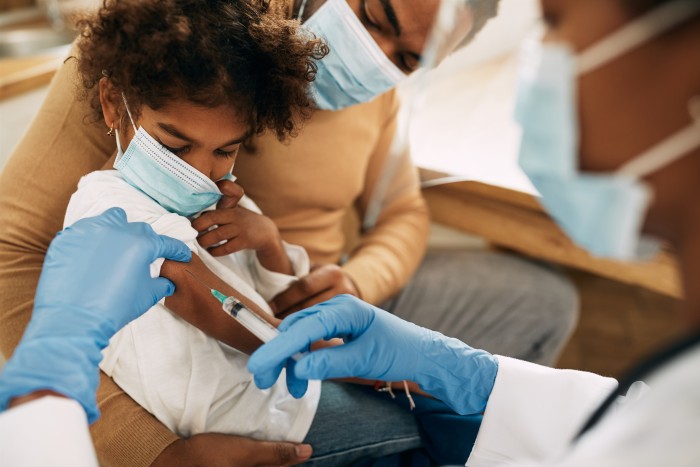
Every August, National Immunization Awareness Month reminds people about the importance of staying current with vaccines.
For many people, vaccines are something associated with childhood. They remember getting shots before starting school, but they do not always think about immunization later in life. The reality is different. Vaccination is a lifelong part of preventive healthcare, and can help with every period of life, such as:
- Childhood immunizations: ensuring children catch up on missed well-child visits before returning to school.
- Adult vaccinations: including annual flu shots and other vital immunizations recommended throughout an individual's lifespan.
Preventive healthcare means taking steps to reduce health risks before a problem appears. Vaccines are one example because they help the immune system prepare before exposure to certain diseases.
Vaccines have reduced the spread of many serious diseases. Conditions like polio, measles, and whooping cough became much less common because of widespread immunization programs.
However, these diseases can still return when fewer people stay protected. Maintaining vaccination rates helps reduce outbreaks and protects people who are more vulnerable to complications.
Why Vaccines Are Important for Lifelong Health
Vaccines are medical tools designed to help the immune system recognize and respond to specific infections. The main purpose of vaccination is prevention. Instead of waiting for an infection to happen, vaccines prepare the body in advance.
When the immune system has previous exposure to a safe version or part of a germ, it can respond faster when facing the real infection. This can reduce:
- The risk of severe illness.
- The chance of hospitalization.
- The possibility of serious complications.
- The spread of infectious diseases.
Vaccines do not guarantee that someone will never get sick. However, they can significantly reduce the impact of many preventable diseases.
In summary: vaccines help the immune system prepare before a serious infection occurs.
How Vaccines Protect Against Serious Diseases
Vaccines work by teaching the immune system what a harmful virus or bacteria looks like. Depending on the vaccine, this may involve:
- An inactive version of a germ.
- A weakened version of a germ.
- A specific part of a virus or bacteria.
These components allow the immune system to create protection without causing the full disease. After vaccination, the body develops immune memory. This means the immune system can recognize the threat more quickly in the future.
Common vaccines protect against diseases such as:
- Influenza (flu).
- COVID-19.
- Measles.
- Mumps.
- Rubella.
- Hepatitis A and B.
- Human papillomavirus (HPV).
- Pneumococcal disease.
- Shingles.
- Tetanus, diphtheria, and pertussis.
The specific vaccines recommended for each person depend on individual factors. These factors include:
- Age.
- Medical history.
- Lifestyle.
- Job-related exposure.
- Pregnancy status.
- Travel plans.
Benefits of Immunization for Individuals and Communities
Immunization protects both individuals and communities. When more people are vaccinated, infections have fewer opportunities to spread. This creates stronger protection for people who may face higher risks from certain diseases.
Examples of vulnerable groups include:
- Infants.
- Older adults.
- People with weakened immune systems.
- People with certain chronic health conditions.
Community protection can occur for some vaccine-preventable diseases when enough people have immunity to help slow transmission.
- Fewer disease outbreaks.
- Lower rates of severe illness.
- Better protection for high-risk groups.
- Healthier schools and workplaces.
- Reduced healthcare costs.
Vaccination is a personal health decision that can also influence community health.
How Immunization Needs Change Throughout Life
Vaccination needs are not the same at every age. The vaccines recommended for a baby are different from those recommended for a teenager, adult, or older adult. Healthcare organizations update vaccine recommendations based on:
- New scientific evidence.
- Disease patterns.
- Changes in public health risks.
- Individual health factors.
Staying informed helps people maintain appropriate protection throughout life.
Vaccines for Children and Adolescents
Children receive several vaccines because their immune systems are still developing.
Some infections can cause more serious complications in young children. Early vaccination helps provide protection during important stages of growth. Children may need:
- Initial vaccine doses.
- Booster doses.
- Additional vaccines during adolescence.
Teenagers also have important vaccine recommendations. For example, the HPV vaccine helps prevent infections associated with certain cancers. Other vaccines protect against diseases such as meningococcal disease.
Accurate records help healthcare providers identify missing doses and recommend appropriate vaccines.
Vaccines for Adults and Older Adults
Adults often assume vaccines are only needed during childhood. This is a common misunderstanding.
Adult vaccination remains important because immunity can change over time.
Some vaccines require booster doses. Other vaccines become recommended because of age, health conditions, or specific situations. Adults may need:
- Annual influenza vaccines.
- Updated COVID-19 vaccines.
- Tetanus boosters.
- Pregnancy-related vaccines.
- Travel vaccines.
Our webinar by Dr. Uzma Syed provides a complete breakdown of boosters, flu shots and Covid-19 vaccines, answering the most frequent questions that people have.
Older adults may have a higher risk of complications from certain infections. Vaccines commonly discussed for older adults include:
- Shingles vaccines.
- Pneumococcal vaccines.
- RSV vaccines when eligible.
- Influenza vaccines.
Vaccine needs continue throughout adulthood and should be reviewed regularly.
How Vaccine Safety Is Monitored
Vaccine safety is evaluated before and after approval. Before approval, vaccines go through clinical trials that study effectiveness and possible side effects.
After approval, monitoring continues through safety systems that review new information. Like any medical treatment, vaccines can cause side effects. Common side effects include:
- Soreness at the injection site.
- Fatigue.
- Mild fever.
Most side effects are temporary. Serious reactions are uncommon, and healthcare systems continue monitoring vaccines to identify potential safety concerns.
How to Evaluate Vaccine Information
Many people have questions about vaccines. That is normal. The challenge is finding reliable information.
Online discussions often mix scientific evidence with personal opinions. These sources do not always provide the same level of accuracy. A healthcare provider can help explain:
- Why a vaccine is recommended.
- What benefits it provides.
- What side effects may occur.
- Whether it fits a person’s health situation.
General information online cannot always account for individual medical factors. This is why discussing vaccine decisions with a qualified healthcare professional is vital.
How to Review Your Vaccination Status
Many people are unsure which vaccines they have received. Reviewing vaccination records is the first step. If records are missing, healthcare providers or immunization systems may help reconstruct previous vaccination history.
Important life events that may require a vaccine review include:
- Starting college.
- Pregnancy.
- Beginning healthcare work.
- International travel.
- Developing new health conditions.
How to Talk With a Healthcare Provider About Vaccines
A healthcare provider can recommend vaccines based on personal health information. Important factors include:
- Age.
- Medical history.
- Current medications.
- Lifestyle.
- Travel plans.
During an appointment, consider asking:
- Which vaccines do I need?
- Am I missing any recommended vaccines?
- Do I need booster doses?
- Are there vaccines recommended because of my health situation?
Conclusion
National Immunization Awareness Month is a reminder that vaccines are part of lifelong healthcare.
Immunization is not only about childhood protection. It is an ongoing process that changes as people age and their health needs change.
Staying updated with recommended vaccines helps prevent serious diseases and reduces the spread of infections.
This August, reviewing vaccination records and speaking with a healthcare provider can be a simple step toward better long-term health. If you wish to learn more about healthcare, we have many articles at IMANA to help you!
Frequently Asked Questions
What is National Immunization Awareness Month?
National Immunization Awareness Month is observed every August to increase awareness about the importance of vaccines and encourage people to stay current with recommended immunizations.
Do adults need vaccines?
Yes. Adults may need vaccines or booster doses depending on age, health conditions, occupation, pregnancy, and travel plans.
Are vaccines safe?
Vaccines are tested before approval and monitored afterward. Most side effects are mild and temporary, while serious reactions are uncommon.
How can I find out which vaccines I need?
A healthcare provider can review your vaccination history and recommend vaccines based on your age, medical background, and personal risk factors.