
IMANA NEWS
Summer Heat Safety: Protecting Your Skin and Health
24 July 2026
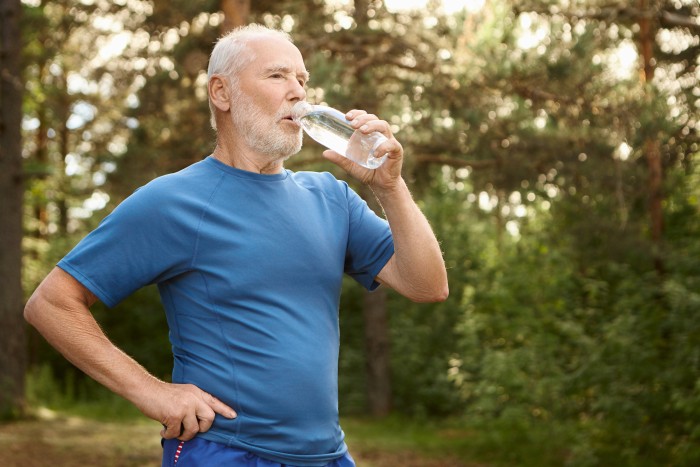
Summer is an amazing season. People spend more time outside, schedules get looser, and there’s always something going on: barbecues, beach trips, kids running around until sunset, that kind of thing.
But heat doesn’t care if you’re having a good time. It builds quietly, and most people don’t really notice it until their body starts struggling. That’s where problems begin.
Heat-related illnesses don’t only show up during extreme heatwaves either. They often happen on normal summer days when someone simply doesn’t drink enough water or stays in the sun a bit too long.
Luckily, there are ways to avoid this. Stay safe this summer by hydrating before you feel thirsty, avoiding strenuous outdoor activities during peak heat hours (10 a.m. to 4 p.m.), and seeking air-conditioned spaces. Prioritize these core actions to prevent heat-related illnesses:
- Drink plenty of water: Consume water regularly, even if you do not feel thirsty.
- Avoid dehydrating drinks: Limit alcohol and sugary drinks. Moderate amounts of caffeinated beverages can still contribute to daily fluid intake, but water remains the best choice.
- Eat cooling foods: Opt for cold, water-rich foods like fruits and ice pops.
- Monitor yourself: Dark-colored urine is often a sign of dehydration and may indicate that you need to drink more water.
While anyone can be affected, some groups are more affected than others. Children, older adults, pregnant women, people with ongoing health conditions, and those working outdoors for long hours are all more vulnerable. Their bodies just don’t adjust to heat as easily, so things can escalate faster than expected.
Why Extreme Heat Is More Dangerous Than Many People Realize
Heat can be sneaky. Unlike storms or other extreme weather, it doesn’t really announce itself. There’s no dramatic warning; just a hot day that slowly gets harder to handle.
The body usually cools itself through sweating. When sweat evaporates from your skin, it takes heat with it. The problem is that it only works well under the right conditions. When humidity is high, sweat doesn’t evaporate properly. So instead of cooling you down, your body just keeps holding onto heat.
At first, you might just feel tired or a bit drained. Maybe you get a headache or feel like something is “off.” Most people ignore it at that stage. But internally, things are already changing. The heart works harder, fluid levels drop, and your core temperature starts rising. If nothing changes, that can escalate surprisingly fast.
Some of the biggest risk factors are:
- Hot temperatures combined with humidity.
- Long exposure to direct sunlight.
- Physical activity (even walking or working outdoors).
- Not drinking enough fluids throughout the day.
- Certain medications that affect hydration or heat regulation.
This is why heat safety isn’t something you only think about during heat alerts. It’s something that should be part of everyday summer habits.
Common Heat-Related Illnesses
Heat-related issues don’t always start dramatically. In fact, most begin quietly and are easy to dismiss until they get worse.
Dehydration
This is usually the first stage, and honestly, most people don’t notice it until it’s already there.
You might feel more tired than usual, get a mild headache, or realize your mouth feels dry. Urine becomes darker, and concentration drops without you really noticing.
The good news is that mild dehydration is easy to fix. Water, rest, and cooling down usually do the job. But if ignored, it can escalate into more serious conditions.
Heat Cramps
These are sudden, painful muscle cramps that tend to show up after sweating a lot.
They’re often a sign that your body is losing fluids and electrolytes faster than you’re replacing them. You’ll usually feel them in your legs, arms, or stomach.
It’s your body telling you to slow down. Resting, drinking water, and replacing salts usually helps pretty quickly.
Heat Exhaustion
Heat exhaustion is where things start to get more serious. You feel weak, dizzy, maybe nauseous. You might be sweating heavily, but at the same time feel cold or clammy. Even standing can feel exhausting.
This is the stage where people often make a mistake. The right move is simple: stop, rest somewhere cool, drink fluids, and let your body recover before doing anything else.
Heatstroke
Heatstroke is a medical emergency. There’s no “wait and see” phase here.
At this point, your body’s ability to regulate temperature is severely impaired. Symptoms include confusion, difficulty speaking, fainting, seizures, or a body temperature above 40°C (104°F).
In some cases, sweating may stop entirely, even though the body is overheating rapidly.
If this happens, emergency help is needed immediately. While waiting, move the person to shade, remove excess clothing, and start cooling them with whatever is available: water, fans, cold cloths, anything that helps bring the temperature down.
Who Is Most Vulnerable?
Heat doesn’t affect everyone equally. Some people just have a harder time coping with it.
Children
Kids don’t really slow down when they should. They play, run, and forget to drink water until they’re already dehydrated.
That’s why adults need to step in early: offering water regularly, scheduling breaks, and not relying on kids to recognize their own limits.
Older Adults
As people age, the body becomes less efficient at regulating temperature. Add in medications or health conditions, and heat becomes even more difficult to handle. A simple check-in during a heatwave can make a huge difference.
Outdoor Workers
Not everyone gets the option of staying inside. Construction workers, farmers, delivery drivers, and others often spend hours in direct sun.
Without proper hydration and breaks, heat stress builds quickly. Even short rest periods in shade can significantly reduce risk.
People With Chronic Conditions
Heart disease, diabetes, kidney issues, and respiratory conditions all make heat harder to manage.
These conditions already put stress on the body, and heat adds another layer on top of that.
Pregnant Women
Pregnancy increases metabolic demands, which means the body already works harder than usual. Heat makes that even more intense.
Hydration, rest, and avoiding peak sun hours become especially important.
Practical Ways to Stay Safe During Hot Weather
Most heat-related problems are preventable. You don’t need complicated systems, just consistent habits.
Stay Hydrated
Don't rely solely on thirst, especially during hot weather or prolonged physical activity. Drink water steadily throughout the day. If you’re sweating a lot, include electrolytes. In addition, try not to rely on sugary drinks or caffeine to replace fluids.
Dress for the Weather
Loose, lightweight clothing makes a big difference. It helps sweat evaporate and keeps your body cooler. Light colors also reflect sunlight better than dark ones.
A hat and sunglasses add another layer of protection that people often underestimate.
Avoid Peak Heat Hours
Midday is usually the harshest part of the day. If possible, shift physical activities to early morning or later evening when temperatures are lower and your body isn’t under as much stress.
Use Shade and Cooling Spaces
Shade isn’t just comfort; it’s protection. Air-conditioned spaces can reset your body temperature quickly, even if you’re only there for a short time. Libraries, malls, or community centers all work.
Protect Your Skin
Sunburn isn’t just surface damage. It can contribute to dehydration and make it harder for your body to cope with heat. Sunscreen, protective clothing, and staying in shade all help reduce that strain.
Proper skin protection is also very important to avoid problems such as skin cancer. Our webinar by Dr. Noreen Galaria provides some essential tips on skin protection and skin cancer prevention for all skin types.
Heat Safety During Community Events
Summer events are great: family gatherings, festivals, sports days, religious events. But they also create situations where people forget basic safety. Simple planning helps a lot:
- Make water easily available.
- Provide shaded seating.
- Encourage regular breaks.
- Watch for signs of overheating.
- Have basic emergency awareness.
It doesn’t take much to make events safer.
Caring for Others Reflects Islamic Values
Looking after others doesn’t need to be complicated. Check in on elderly relatives. Remind kids to drink water. Offer help if someone looks unwell. Small actions, done consistently, prevent bigger problems.
Recognizing When Medical Care Is Needed
Some symptoms shouldn’t be ignored. Seek medical help if someone has:
- Persistent vomiting.
- Confusion that doesn’t improve.
- Chest pain or breathing issues.
- Severe weakness.
- No improvement after cooling down.
If there’s fainting, seizures, or clear signs of heatstroke, emergency services should be called immediately.
How IMANA Supports Community Health
A lot of heat-related issues are preventable with the right information. IMANA helps spread practical health education so families understand what to look for and how to respond before situations become emergencies. It’s simple but important: prevention, awareness, and community support.
Final Thoughts
Summer is meant to be enjoyed, not feared. But heat is something that deserves respect. Most problems come down to small decisions: drinking enough water, taking breaks, avoiding the hottest hours, and paying attention to early warning signs.
Just as important is looking out for others, especially those who are more vulnerable. When people stay aware and act early, summer stays what it should be: enjoyable, active, and safe. If you want to learn more about how to protect yourself during summer, we have several articles at IMANA.