
IMANA NEWS
Common Illnesses in Winter
12 January 2026
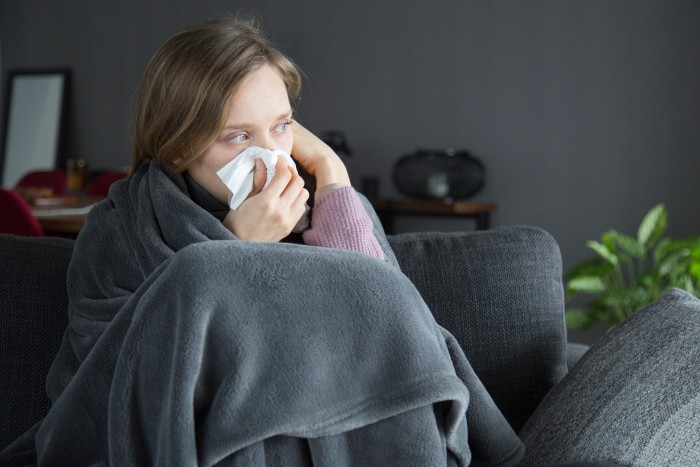
Winter brings comfort and joy for many, but it also welcomes a wave of seasonal illnesses. Respiratory infections become more prevalent during colder months, affecting millions of people worldwide. Knowing these common winter illnesses can help you spot symptoms early and act quickly.
This guide highlights common winter health issues and offers helpful tips to keep you and your family safe.
Why Winter Illnesses Are More Common in Cold Weather
Winter creates perfect conditions for viruses to spread. Cold, dry air damages nose and throat mucous membranes, making viral invasion easier. It also impairs cilia—the tiny hair-like structures that sweep away pathogens. More people spend time indoors in crowded spaces, which often have poor ventilation and low household hygiene. This speeds up the spread of germs during holiday gatherings and at work.
Your immune system weakens from reduced sunlight and lower vitamin D levels. Cold temperatures reduce your body's infection-fighting ability. Viruses thrive in winter because their outer layers remain stable in cold, dry air, allowing them to survive longer on surfaces. Low humidity lets infected droplets travel farther through the air.
Common Winter Illnesses and Their Symptoms
Several viral and bacterial infections become more common during the winter months. Below is the most frequent list of winter illnesses:
Common Cold
The common cold is winter's most frequent illness, affecting nearly everyone. Over 200 viruses cause it, with rhinoviruses being responsible for most cases.
Symptoms appear within 1 to 3 days. You may have a runny or stuffy nose, a sore throat, a cough, sneezing, and sometimes a mild fever or fatigue. Symptoms peak within 2 to 3 days and resolve in 7 to 10 days. Colds spread through respiratory droplets and contaminated surfaces.
No cure exists—rest and fluids support natural recovery.
Influenza (Flu)
Influenza is more serious than the common sickness during winter and spreads rapidly in winter. Influenza A(H3N2) dominates this season.
Flu hits fast. You may have a high fever (over 100°F), body aches, extreme tiredness, a cough, chills, and a headache. Symptoms last 1–2 weeks. People are most contagious during the first three days but remain infectious from one day before symptoms begin to five to seven days afterward. Vulnerable populations face serious complications. Antivirals work best within 48-72 hours; annual vaccination prevents most cases.
Check out our webinar “When the flu isn’t ‘just flu’” to learn how to identify the symptoms.
COVID-19
COVID-19 continues to circulate during the winter months, although current activity remains relatively low. The virus spreads through respiratory droplets and can range from mild to severe, depending on your immunity and health. Check out our webinar on the topic.
Respiratory Syncytial Virus (RSV)
RSV is a common winter virus that causes mild, cold-like illness in healthy adults. Symptoms appear four to six days after exposure and include congestion, cough, fever, and sore throat.
However, RSV can be serious in infants, young children under five, and adults over 65. In these vulnerable groups, the virus can lead to bronchiolitis or pneumonia. This can cause trouble breathing and wheezing.
RSV vaccines are now available for adults over 60 and for pregnant women to protect high-risk populations.
Acute Bronchitis
Acute bronchitis, also called a chest cold, develops when viruses like the flu, RSV, or cold viruses infect the bronchial tubes in your lungs. This condition is more common in winter because of increased viral circulation.
The primary symptom is a persistent cough that may produce clear, white, or greenish mucus. You may also experience a sore throat, fatigue, mild fever, and chest discomfort. Most cases resolve within one to three weeks with rest and supportive care. However, the cough may linger longer.
Pneumonia
Pneumonia is a serious lung infection that becomes increasingly common in winter. It occurs when air sacs in the lungs fill with fluid or pus, making oxygen exchange difficult.
Pneumonia can be caused by bacteria, viruses, or fungi. Symptoms include a cough that often brings up yellow or green phlegm. You may also have a high fever, chills, trouble breathing, and chest pain. In older adults, pneumonia may cause confusion or unusual lethargy.
Bacterial pneumonia often follows a viral infection like the flu. Cold weather and weakened immunity from the initial illness increase susceptibility. Seek immediate medical attention if you suspect pneumonia.
Strep Throat
Strep throat is a bacterial infection that peaks in winter, particularly among children aged 5 to 15. It is caused by Group A Streptococcus bacteria. Symptoms include sore throat, fever, red or swollen tonsils with white patches or pus. This winter's strain unusually causes nausea, vomiting, and diarrhea. It requires 10 days of antibiotics to prevent scarlet fever and rheumatic fever. A simple throat test confirms the diagnosis.
Norovirus
Norovirus, the "winter vomiting disease," leads to gastroenteritis cases and spreads through contaminated food, water, or surfaces. Symptoms hit suddenly 12-48 hours after exposure: vomiting, watery diarrhea, stomach cramps, and sometimes fever. Most recover in 1-3 days, but dehydration threatens young children and the elderly. Highly contagious—rigorous handwashing is essential.
Croup, Adenovirus, Parainfluenza, and hMPV
These viruses cause a range of respiratory symptoms similar to colds and flu. Parainfluenza causes croup in young children, characterized by a barking cough and hoarseness. Adenovirus can range from mild cold symptoms to pneumonia. Human metapneumovirus (hMPV) typically causes mild respiratory illness but circulates from winter through spring.
How to Protect Yourself and When to Seek Medical Care This Winter
Prevention beats treatment for winter illnesses. Get vaccinated against flu, COVID-19, and pneumonia if eligible. Wash hands frequently with soap and water before eating and after public exposure. Cover coughs and sneezes with your elbow, avoid touching your face, and stay away from sick people.
Support immunity with adequate sleep, balanced nutrition, exercise, and hydration. Improve indoor ventilation and stay home when sick—at least 24 hours after the fever ends. These simple steps significantly reduce your illness risk.
Most winter illnesses resolve with rest and home care. Get medical help right away if you have trouble breathing, chest pain, confusion, or bluish lips or face; these are signs of a medical emergency. Contact your doctor if fever lasts over three days, symptoms worsen after improvement, or you have severe vomiting/diarrhea.
High-risk groups, infants, adults over 65, pregnant women, and those with chronic conditions should seek care earlier. When unsure, call your healthcare provider. They can guide you on whether you need evaluation, testing, or home management.
Stay Informed and Healthy With IMANA
Winter can challenge your health, but knowing the facts helps you stay prepared. By following these tips, you can protect yourself and your family. For reliable guidance, resources, and educational materials, visit IMANA and stay informed about best practices for health and wellness.
FAQs About Winter Illnesses
What are the most common winter illnesses?
Common winter illnesses include the common cold, influenza, COVID-19, RSV, acute bronchitis, pneumonia, strep throat, norovirus, croup, adenovirus, parainfluenza, and hMPV.
Why do people get sick more often in winter?
Cold, dry air, increased time indoors, crowded spaces, lower ventilation, and seasonal viral circulation can create conditions that make infections spread more easily.
What are common symptoms of winter sickness?
Symptoms vary by illness but may include coughing, congestion, sore throat, fever, fatigue, body aches, vomiting, diarrhea, and difficulty breathing.
How can you reduce your risk of winter illnesses?
Vaccination when eligible, frequent handwashing, good ventilation, adequate sleep, balanced nutrition, hydration, and staying home when sick can help reduce the risk.
When should you seek medical care for a winter illness?
Seek immediate medical attention for trouble breathing, chest pain, confusion, or bluish lips or face. Contact a doctor if fever lasts more than three days or symptoms worsen.
Who is at higher risk of complications from winter illnesses?
Infants, young children, adults over 65, pregnant women, and people with chronic conditions may face a higher risk of serious complications and should seek care earlier.