
IMANA NEWS
UV Safety Month: Protecting Skin and Eye Health Through Prevention
10 July 2026
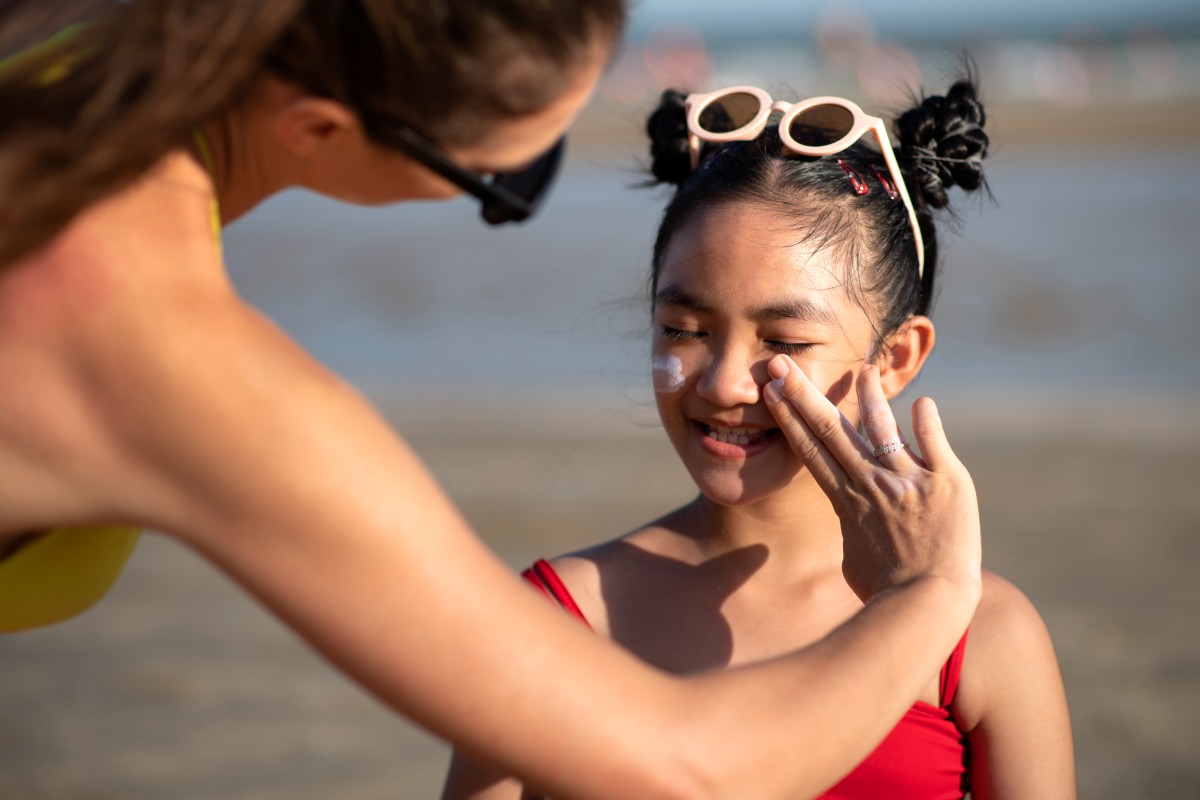
July is UV Safety Month in the United States. UV Safety Month has a simple purpose. It reminds people to protect their skin and eyes from ultraviolet (UV) radiation.
Many people spend more time outdoors during summer. Vacations, sports, family gatherings, and community events all increase sun exposure.
But there’s a main problem: UV damage often develops slowly. Many people do not notice the effects until years later. The good news is that prevention is usually straightforward. Small daily habits can help reduce long-term risks.
In this article, we'll explain the main health problems caused by sun exposure and how to help prevent them.
When Is UV Safety Month?
UV Safety Month takes place every July. July was selected because UV levels are often high during summer. It is also a period when outdoor activity increases.
Healthcare organizations, schools, and community groups use the month to share information about sun protection.
It encourages people to enjoy summer while practicing sun safety.
Understanding Ultraviolet Radiation
Ultraviolet radiation is energy produced by the sun. UV radiation reaches the Earth's surface throughout the year. UV radiation can affect people even on cloudy days.
Types of Ultraviolet Radiation
There are three primary types of UV radiation.
UVA rays, which penetrate deep into the skin. These are associated with:
- Premature skin aging
- Wrinkles
- Loss of elasticity
UVB rays, which affect the outer layers of the skin. They are associated with:
- Sunburn
- Skin damage
- Increased skin cancer risk
UVC rays, the highest-energy form of UV radiation. Fortunately, the atmosphere absorbs most UVC rays before they reach the Earth's surface.
Why UV Radiation Matters
Many people expect immediate effects from sun damage. The challenge is that UV damage often accumulates gradually. The effects may not become visible for years. Both UVA and UVB rays can damage skin cells over time.
Why UV Protection Matters
UV protection helps reduce long-term health risks.
Many people focus only on avoiding sunburn. However, UV exposure can affect much more than skin comfort.
Increased Risk of Skin Cancer
Skin cancer is one of the most common cancers worldwide.
Repeated UV exposure can damage DNA inside skin cells. Over time, this damage may contribute to cancer development.
Risk factors vary from person to person. Even so, reducing UV exposure remains one of the most effective preventive measures. Less UV exposure generally means less UV-related skin damage.
If you wish to learn more about skin cancer and how to protect yourself from it, our webinar by Dr. Noreen Galaria provides some important tips on prevention for all skin types.
Premature Skin Aging
Photoaging is skin aging caused by UV exposure. Common signs include:
- Wrinkles
- Fine lines
- Age spots
- Uneven skin tone
- Changes in skin texture
These changes often develop slowly. Many people assume all skin aging is natural. In reality, years of sun exposure may play a significant role.
Long-term UV exposure can accelerate visible aging.
Eye Damage
UV radiation can also affect the eyes. Research has linked excessive UV exposure to conditions such as:
- Cataracts
- Photokeratitis
- Other forms of eye damage
People who spend substantial time outdoors should pay particular attention to eye protection. Eye protection is an important part of sun safety.
Common Situations That Increase UV Exposure
Many people associate UV exposure with beach vacations. In reality, UV exposure often occurs during everyday activities. Common examples include:
- Walking outdoors
- Gardening
- Outdoor sports
- Community events
- Driving
- Spending time near water
- Spending time near sand
- Spending time on reflective surfaces
Cloudy Weather and UV Exposure
Clouds do not completely block UV radiation. A person can still receive significant UV exposure on an overcast day.
This is a common source of confusion. UV exposure can occur even when the weather feels mild.
Practical Sun Safety Strategies
The goal is not to avoid outdoor activities; it is to reduce unnecessary UV exposure.
Use Sunscreen Correctly
Broad-spectrum sunscreen protects against UVA and UVB rays. Recommended practices include:
- Use SPF 30 or higher
- Apply generously
- Reapply every two hours
- Reapply after swimming
- Reapply after heavy sweating
It’s important to mention that sunscreen works best when combined with other protective measures.
Wear Protective Clothing
Protective clothing creates a physical barrier between the skin and UV radiation.
Helpful options include:
- Long-sleeved shirts
- Long pants
- Long skirts
- Wide-brimmed hats
- UV-protective clothing
For many Muslims, modest clothing naturally provides additional skin coverage.
Protect Your Eyes
Sunglasses should block 99% to 100% of UVA and UVB rays. UV protection is more important than lens darkness.
Seek Shade When Possible
UV radiation is often strongest between 10 a.m. and 4 p.m. When possible, you should:
- Sit under trees
- Use umbrellas
- Use covered areas
- Limit direct exposure during peak hours
Check the UV Index
The UV Index estimates daily UV intensity. Many weather services publish UV Index information.
Checking the UV Index can help people plan outdoor activities more safely.
Combining several protective measures provides better protection than relying on a single method.
Protecting Children From UV Exposure
Children often spend long periods outdoors during summer. Because of this, healthy habits should begin early. Parents and caregivers can:
- Apply sunscreen before activities
- Encourage hats
- Encourage protective clothing
- Provide shade
- Teach sun safety
- Provide UV-protective sunglasses
Children who learn these habits early are more likely to continue them later in life. Early sun-safety habits can provide long-term benefits.
The Importance of Early Detection
Prevention remains the first priority. Early detection is also important. People should pay attention to:
- New moles
- Changes in existing moles
- Unusual spots
- Persistent sores
- Areas that itch
- Areas that bleed
- Areas that do not heal
Regular skin examinations can help identify potential concerns earlier.
People with significant sun exposure history may benefit from discussing screening recommendations with healthcare professionals.
Monitoring skin changes can support early intervention.
A Faith-Informed Approach to Health and Prevention
Within Islam, preserving health is an important responsibility.
Preventive care reflects the principle of taking reasonable steps to protect the body. Sun safety supports this goal. Examples include:
- Wearing appropriate clothing
- Seeking shade
- Protecting children
- Attending medical checkups
- Practicing preventive care
These actions support both individual and community well-being. Prevention aligns with broader Islamic health principles.
How IMANA Can Support UV Safety Awareness
The Islamic Medical Association of North America (IMANA) supports health education and preventive care.
During UV Safety Month, IMANA can help by:
- Sharing evidence-based information
- Promoting preventive healthcare
- Supporting community outreach
- Encouraging skin health awareness
- Promoting screenings
- Educating families about UV protection
Community education helps people make informed health decisions.
Accessible information can lead to healthier habits and improved outcomes. Education and outreach can reduce preventable UV-related risks.
Conclusion
UV Safety Month highlights the importance of protecting skin and eye health. Excessive UV exposure can contribute to:
- Sunburn
- Premature skin aging
- Eye damage
- Increased skin cancer risk
Fortunately, prevention strategies are simple. Key actions include:
- Using sunscreen
- Wearing protective clothing
- Protecting the eyes
- Seeking shade
- Monitoring the UV Index
- Watching for skin changes
For Muslim families and communities, UV Safety Month provides an opportunity to strengthen healthy habits and support long-term well-being. Consistent sun protection can help reduce UV-related health risks throughout life. If you want to learn more about how to protect yourself, read our articles at IMANA!