
IMANA NEWS
Mental Health During Ramadan: How to Balance Well-Being
12 March 2026
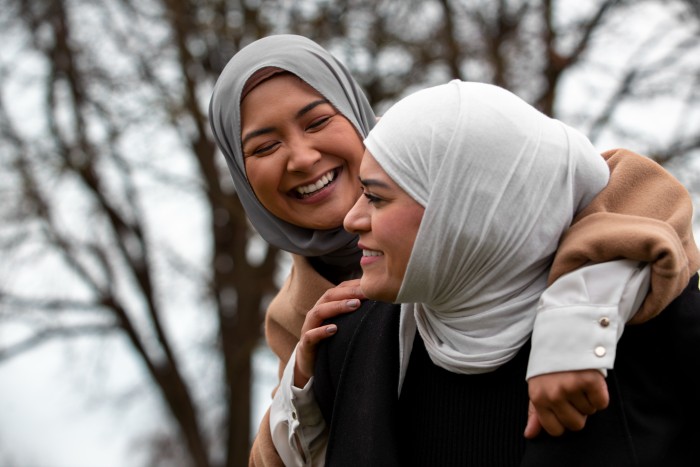
Ramadan is a very important time for the Islamic community: it doesn’t just change your eating schedule. It changes the pace of life.
These days revolve around different markers: suhoor before dawn, the long stretch of fasting hours, the quiet anticipation before iftar. For Muslims, this shift is sacred.
People often describe Ramadan as a month of renewal. It’s a moment for more prayers, reflection, and charity, leading to a stronger sense of spiritual focus.
But spiritual months don’t erase human realities. Stress doesn’t simply disappear, and existing mental health struggles don’t pause. Fatigue can also happen. Since emotions still fluctuate, addressing them is vital.
That’s why it’s important to talk about mental health during Ramadan. Balance during this period begins by acknowledging such issues.
How Can Ramadan Positively Impact Mental Health?
For many people, Ramadan can be a great period for helping others, reflecting, and changing priorities, such as:
Mindfulness and Spiritual Reflection
When you’re fasting, you become more aware of yourself. In many ways, this mirrors what therapists describe as mindfulness. Noticing what’s happening internally without acting on it.
A simple routine or repetition can also help to structure daily life. Five daily prayers and their regular recitation are great to reflect. In a world that often feels chaotic, this can feel stabilizing.
For some people, that consistency also reduces anxiety. It reconnects them with values they may have felt distant from during the rest of the year. This brings clarity.
Strengthened Community Connection
Ramadan rarely feels isolated, even for those who live alone. There’s comfort in knowing others are fasting too. When you’re waiting for sunset, so are millions of others. That sense of shared effort matters a lot.
Iftar gatherings, mosque prayers, charity drives — these are not just religious events. They’re moments of being part of something bigger. Such moments can help with mental health. Feeling included or part of something bigger than yourself, reduces the weight of personal struggles.
Even simple rituals such as passing dates around the table or standing shoulder to shoulder in prayer can reinforce connection.
Development of Self-Discipline and Empathy
Fasting can be difficult on some days, especially when you’re tired. But there’s something quietly empowering about completing something challenging by choice.
Each fast is evidence of why you should undertake this challenge. That belief builds confidence, even if you don’t consciously label it that way. With this comes empathy: you can sense how people who endure this feel. It softens judgment and makes generosity easier.
Can Ramadan Be Mentally Challenging?
Ramadan can shift your life quite quickly: sleep, food, energy and even social interactions. Your body and brain notice those shifts, but it’s not something you should worry about if you’re healthy. Its most common symptoms are:
Disrupted Sleep and Energy Patterns
Sleep is often the first thing affected. Waking before dawn and staying up later for Taraweeh can be a huge change for those who go to bed early.
If you don’t have a good sleeping routine, mood regulation can become harder to manage, increasing your irritability and making it harder to concentrate. This makes something that should be spiritual simply a task, and it’s not its intent.
Changes in Eating Habits
Fasting all day and eating larger evening meals alters blood sugar patterns. Some people feel steady while others might experience energy spikes and crashes.
This is why Suhoor is so important. Meals with protein, fiber, and hydration tend to help you manage your energy during the day.
Consuming a lot of sugar and caffeine often leads to energy fluctuations later. Knowing how to balance your meals is key.
Dealing with Common Pre-Existing Mental Health Conditions
For individuals living with depression, anxiety disorders, bipolar disorder, or autism spectrum disorder, Ramadan can require extra intention.
Depression can have a great impact, especially if your sleeping routine is inconsistent. Anxiety may increase when routines shift abruptly. Other conditions, such as autism, can make social gatherings and schedule changes overwhelming.
If you’re under medication, timing may also be complicated. Adjustments should always involve medical guidance. Always remember that acknowledging these challenges is not a lack of faith. It’s responsible self-awareness.
What is the Principle of Ease?
Islam does not glorify harm. The Qur’an makes it clear that Allah intends ease, not hardship. Islamic law includes exemptions from fasting when health would be compromised.
Those who are ill, elderly, traveling, pregnant, or living with conditions that make fasting unsafe are permitted not to fast. Alternatives exist for a reason.
Mental health is part of well-being, and emotional suffering matters. Not forcing yourself to hardship if your body can’t handle it is key to a good life.
Always consult a healthcare provider alongside a knowledgeable scholar who can help individuals make informed decisions. Intention carries spiritual weight. Self-neglect does not increase reward. Faith is not measured by how much pain someone can endure.
Practical Strategies for Protecting Mental Health
Protecting your mental health during Ramadan often comes down to awareness and small adjustments, rather than to dramatic lifestyle changes.
1. Prioritize Sleep
Sleep is key for emotional regulation. If possible, include short naps. Reduce late-night scrolling on your phone and create a simple wind-down routine. Even modest improvements in rest can stabilize mood more than expected.
2. Stay Connected
If large gatherings feel overwhelming, scale down rather than isolate completely. A short visit or a brief phone call with family members can do wonders. A smaller circle is better than none at all.
Keep in mind that isolation tends to magnify difficult thoughts. Staying in contact with others can ease it.
3. Seek Professional or Spiritual Support
Persistent sadness, panic attacks, severe sleep disruption, or thoughts of self-harm require professional attention. Speaking with an Imam who understands mental health can also provide clarity rooted in faith.
Always remember that needing support does not indicate weak belief. It means that you’re human, like everyone else.
If you wish to learn more about how mental health and faith intertwine together, IMANA’s webinar presented by Dr. Farha Abbasi explains the role of religion and how to deal with depression and anxiety.
4. Adjust Expectations if Needed
Ramadan isn’t just fasting. Prayer, charity, reflection and kindness are all forms of worship. Some individuals may need flexibility based on their health. That flexibility is built into the tradition.
How to Support Your Loved Ones During Ramadan
Sometimes, helping a loved one can start with an easy question, such as asking them how they are holding up. Creating space for honest answers matters. Not everyone experiences Ramadan the same way.
Families and community leaders can reduce stigma by acknowledging mental health openly. Listening without minimizing or spiritualizing every difficulty builds trust. Remember that caring is an expression of faith.
While caring about your loved ones is important, you can also help people worldwide. IMANA currently has several campaigns all around the world, such as Southeast Asia, Middle East or Africa, helping people of all ages to get the necessary medical treatment during this Ramadan.
A Balanced View of Mental Health and Ramadan
Ramadan can be deeply strengthening. Reflection, structure, generosity, and connection often enhance emotional resilience.
It can also be physically and mentally demanding. Especially when sleep shifts, routines change, and pre-existing conditions are involved. Holding both truths allows for a healthier experience.
Faith and mental well-being are not opposites; with awareness, flexibility, and support, Ramadan can nurture both spiritual growth and emotional stability.
If you would like to learn more about Ramadan and holistic well-being, explore our IMANA resources dedicated to education and integrated Islamic health.
You can also help with donations to IMANA’s healthcare initiatives, helping our association to plan and execute impactful work, ensuring a profound and widespread effect on those in need this Ramadan.