
IMANA NEWS
How to Fast Properly During Ramadan: A Medical and Spiritual Guide
15 March 2026
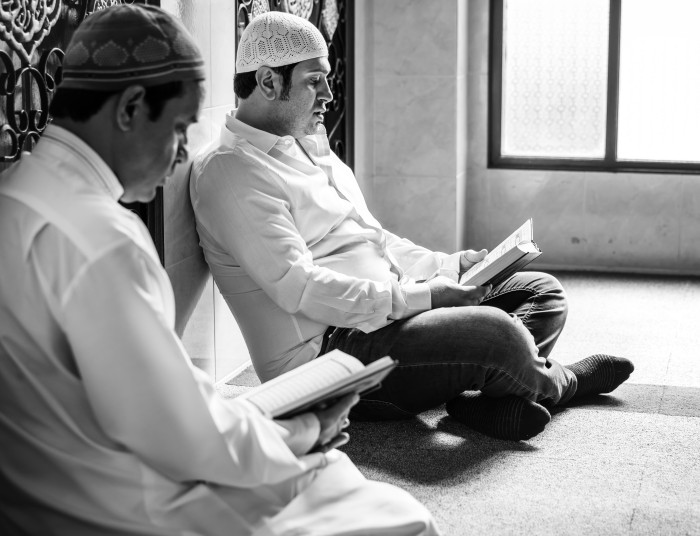
Ramadan reshapes everyday life in ways that are both subtle and profound: meals move to unusual hours, and sleep shifts. From dawn (Fajr) to sunset (Maghrib), Muslims fast as an act of worship.
Most discussions about Ramadan focus on its spiritual side, and rightly so. But there’s another side that people quietly wonder about: how do you fast in a way that doesn’t harm your health? What if you have a condition? What if you feel unwell halfway through the day?
Fasting properly isn’t about pushing through suffering. It’s about balance. Islam doesn’t ask believers to ignore their bodies. In fact, caring for one’s health is part of the responsibility of faith.
Understanding the Five Pillars of Islam
Fasting in Ramadan is one of the Five Pillars of Islam, established clearly in the Qur’an (2:183–185). Yet within those same verses is a reminder that hardship is not the goal. The obligation is firm, but not blind. Certain groups are not required to fast:
- People who are ill
- The elderly who cannot physically manage it
- Pregnant or breastfeeding women if fasting may cause harm
- Travelers
- Children who have not reached puberty
This isn’t a loophole. It’s mercy built into the structure of Islamic law. Someone who misses days temporarily (because of travel or short-term illness) makes them up later.
For those with chronic conditions that make fasting unsafe long term, fidya is prescribed instead. Feeding someone in need replaces the fast. The principle is clear: preservation of health carries weight in Islam. No one should suffer for it.
Who Should Seek Medical Advice Before Fasting?
If someone lives with a chronic illness, waiting until Ramadan is not wise. A conversation with a doctor beforehand can prevent real complications. Particular caution applies to people with:
- Uncontrolled diabetes
- Advanced heart disease
- Chronic kidney disease
- Severe asthma requiring regular daytime medication
- Active ulcers or significant gastrointestinal disorders
- Conditions that demand steady hydration
In some situations, fasting is strongly discouraged. In others, medication timing can be adjusted safely, but only under supervision. Changing doses without guidance can create serious risks.
There’s sometimes a quiet feeling that asking a doctor about fasting shows weak commitment. It doesn’t. Islam does not frame preventable harm as devotion. The body is an amanah, a trust. Taking care of it is not optional.
Hydration: The Foundation of a Healthy Fast
Dehydration is one of the most common issues people face during Ramadan, especially in warmer climates or long fasting days. Since no fluids are taken during daylight hours, what happens at night matters more than most realize.
Drinking a large amount of water right before dawn isn’t the solution. Spacing intake between iftar and suhoor works better. Maintaining small, steady hydration tends to hold up better throughout the day.
Caffeine can also complicate things. Coffee and strong tea increase urine output, which can worsen fluid loss. Sugary drinks may feel energizing but often leave people more fatigued later. Water remains the most reliable choice.
If someone develops severe dizziness, confusion, fainting, or intense weakness, the fast should be broken. Islamic law does not reward preventable medical emergencies.
Structuring Suhoor for Energy During the Day
Suhoor isn’t just tradition; it makes a measurable difference. Skipping it often leads to earlier exhaustion and irritability. Even something simple is better than nothing.
From a physiological standpoint, foods that digest slowly are more helpful. Whole grains, protein sources like eggs or yogurt, healthy fats, and fiber create steadier energy release. They prevent sharp blood sugar swings that can trigger fatigue mid-morning.
Highly refined or sugary foods might feel satisfying initially. But there’s a catch about them: the drop in energy comes quickly. By noon, your energy levels crash. A thoughtful suhoor doesn’t have to be large; it just needs to be balanced.
Medication Management During Ramadan
For individuals who take regular medication, planning ahead is essential. Some medicines can be shifted to pre-dawn and post-sunset dosing. Others may require long-acting formulations. Some, however, simply cannot be adjusted safely.
Diabetes management requires particular care. Altering insulin or oral medications without supervision can be dangerous. Meeting with a healthcare provider weeks before Ramadan allows for a safe plan. If you want to learn more about this, our IMANA webinar about diabetes during Ramadan can answer some of your most frequent concerns.
If a doctor advises against fasting because blood sugar or heart function is unstable, that guidance aligns with Islamic principles. Preserving health is not secondary to worship.
When Should You Break the Fast?
There can be hesitation around ending a fast early. But Islam is clear: if continuing becomes harmful, it must stop.
Warning signs include fainting, chest pain, persistent vomiting, confusion, severe shortness of breath, or extreme dizziness. For those monitoring blood glucose, very low or very high readings require immediate action.
Completing a fast at the cost of serious health risk is not a virtue. Preservation of life is a higher objective within Islamic law.
Special Considerations for Pregnant and Breastfeeding Women
Pregnancy and breastfeeding require additional caution. Some women fast without issue. Others experience fatigue, dehydration, or reduced milk supply. There is no universal rule because bodies respond differently.
Consulting a healthcare provider helps to clarify personal risks. If fasting may cause harm, postponement or fidya is permitted. This flexibility reflects compassion, not deficiency.
Dealing with the Elderly and Chronic Illnesses
Older adults often have reduced tolerance for long periods without fluids. Kidney function, heart stability, and medication schedules can make fasting difficult or unsafe.
In these cases, not fasting is not a spiritual shortcoming. Fidya provides an alternative path. Islamic law recognizes that aging changes the body’s capacity. That recognition is part of its wisdom.
Mental and Physical Balance
Ramadan shifts sleep patterns significantly. Late meals and early mornings can reduce rest. Over time, lack of sleep contributes to irritability, reduced focus, and fatigue. Creating a consistent sleep window helps stabilize mood and energy.
Physical activity should also be reasonable. Light walking after iftar may feel refreshing. Intense daytime exertion, particularly in heat, can increase dehydration risk. Paying attention to these warning signs is key.
A Balanced Approach to a Healthy Ramadan
Ramadan is a month of discipline, reflection, and empathy. It teaches restraint, gratitude, and awareness; but it does not demand harm.
The sick, the elderly, pregnant or breastfeeding women, travelers, and children are not required to fast. If you suffer from a medical condition, you may also be advised not to fast. For those who are able to fast, the principles remain the same:
- Hydrate steadily between sunset and dawn.
- Eat balanced, slower-digesting foods at suhoor.
- Limit sugar and excessive caffeine.
- Discuss medication changes with a healthcare provider.
- Break the fast if serious symptoms appear.
Fasting properly during Ramadan is not about enduring maximum discomfort. It is about intention guided by wisdom. When spiritual commitment is paired with responsible care, the month becomes not only sacred, but sustainable.
If you would like to support the 2026 Ramadan initiatives, please consider donating to IMANA here. We also have many articles and useful resources about Ramadan for anyone interested.