
IMANA NEWS
The Importance of Muslim Charity
04 March 2026
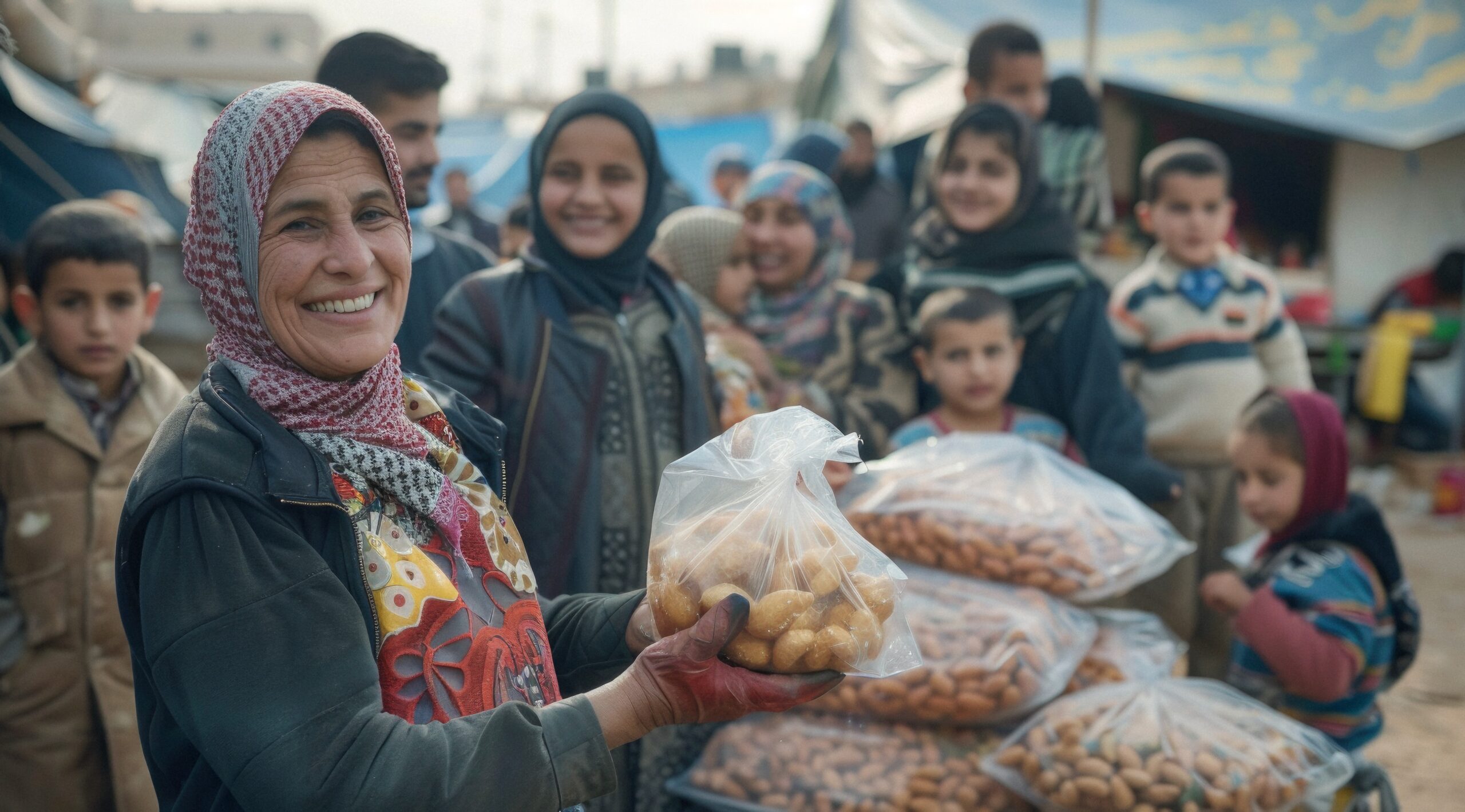
Ramadan is usually introduced as the month of fasting. Muslims abstain from food and drink from dawn until sunset. But that’s not everything during this period: people are also more charitable.
Charity in Islam is embedded in the religion itself. Ramadan simply brings it into sharper focus. Donations increase, but so do smaller acts: meals shared, debts covered, or simply support offered without announcement.
Understanding Muslim charity requires stepping outside the idea of “donation culture.” In Islam, giving is not just emotional generosity. It is structured, having its own categories and rules, designed to protect dignity while addressing inequality.
Charity as a Core Principle in Islam
Islam does not treat wealth as something purely personal. Ownership exists, but it is not absolute. Resources are viewed as something entrusted to a person for a period of time.
That framing changes behavior. If wealth is a trust, then ignoring others’ hardship becomes harder to justify.
Charity is often described as purification. Not because money is bad, but because accumulation can distort priorities. Giving away can help to recalibrate things, pulling a person back toward balance.
The Qur’an repeatedly pairs prayer with charity. The message is subtle but consistent: spirituality without social responsibility is incomplete.
Ramadan intensifies this awareness in a very physical way. Hunger narrows focus, and thirst slows you down. Even if the fast lasts only part of the day, it is enough to shift the perspective of people.
Core Types of Islamic Giving
Islamic charity is not one undefined concept. It includes required giving and voluntary giving. Some ways are calculated carefully, while others are spontaneous. That structure is intentional, and prevents generosity from depending solely on mood.
Zakat: The Obligatory Almsgiving
Zakat is one of the Five Pillars of Islam. For Muslims who meet the financial threshold, it is mandatory. Each year, 2.5% of qualifying accumulated wealth is given, provided it exceeds the nisab.
This does not apply to basic living needs: It applies to savings and certain assets that have been held over time.
The Qur’an outlines eight categories of recipients. Among them are people living in poverty, individuals overwhelmed by debt, and others facing financial vulnerability. Because of these clearly defined categories, Zakat functions as a structured redistribution system within the Muslim community.
Many Muslims prefer to calculate and distribute their Zakat during Ramadan. It is not a requirement to do so this month. Still, Ramadan naturally pushes people to review their finances and intentions.
From an economic perspective, Zakat does something interesting. It redistributes wealth without dissolving ownership. It asks for responsibility but does not eliminate personal agency.
Sadaqah: Voluntary Charity
Sadaqah is different from Zakat. It is voluntary and flexible. There is no fixed percentage. No minimum threshold. No restricted list of recipients.
While money counts, effort and time are important. Helping someone with their fast, checking in on a neighbor, or offering transportation to a medical appointment are all forms of Sadaqah. All of these things count.
Ramadan tends to increase this kind of giving. Community meals expand, informal support networks strengthen, and people pay closer attention.
Studies on generosity and well-being suggest that consistent giving is linked to reduced stress and greater life satisfaction. Islam frames Sadaqah primarily in spiritual terms, but the emotional benefits are observable regardless of religious background.
Sadaqah Jariyah: Continuous Charity
Some charity ends the moment it is given, while other forms continue. Sadaqah Jariyah refers to ongoing benefit: something that keeps serving people long after the initial act. A water well, a school building, a medical clinic.
During Ramadan, many fundraising campaigns highlight long-term projects rather than one-time aid. The emphasis shifts toward sustainability.
For those working in healthcare or public health, this category feels especially relevant. Supporting vaccination campaigns, funding maternal health services, or contributing to medical training programs can qualify if the benefit continues. It is a practical intersection between faith-driven motivation and long-term health outcomes.
Fidya and Kaffarah: Compensation for Missed Fasts
Islamic law recognizes limits. Not everyone can fast safely. Chronic illness, certain medical conditions, pregnancy, breastfeeding, or advanced age may make fasting harmful. In these cases, exemptions apply.
Fidya is required when someone cannot fast for a valid reason and cannot make up the days later. Typically, it involves feeding a person in need for each missed day.
Kaffarah applies when a fast is intentionally broken without legitimate cause. The compensation is more substantial.
These mechanisms show something important: accountability and compassion operate together. Islamic scholarship consistently emphasizes that preserving health comes first. Consulting qualified healthcare professionals is encouraged when fasting may pose risk.
Ramadan as a Catalyst for Social Solidarity
Ramadan often magnifies what already exists: Food banks extend operations, relief organizations report increased donations, and community members become more attentive to global crises.
At IMANA, we have resources about how to prepare for Ramadan, both mentally and physically. This webinar by Dr. Madiha Saheed talks about how to prepare the mind, body and soul for the holy month.
Structured systems like Zakat provide a direct channel for response, while voluntary giving fills additional gaps. There is also a strong ethical emphasis on dignity. Charity should not humiliate. Quiet giving is often encouraged.
Charity, Health, and Ethical Responsibility
In many low-resource settings, charitable funding directly supports access to food, medical care, and preventive health services. Zakat and long-term Sadaqah Jariyah projects can strengthen healthcare infrastructure in measurable ways.
At the same time, Islamic guidance is clear: worship should not result in harm. Pregnant women, travelers, elderly individuals, and those with medical conditions are exempt if fasting creates risk.
The principle is straightforward. Devotion is not proven by self-injury. For those who are medically exempt, charity becomes a meaningful way to remain connected to Ramadan’s purpose.
A Month That Extends Beyond Itself
Charity in Islam is not confined to twenty-nine or thirty days. Zakat establishes obligation; Sadaqah encourages consistency; Sadaqah Jariyah looks toward the future; and Fidya and Kaffarah maintain fairness when circumstances interrupt normal practice.
Taken together, these forms create a system that blends spiritual intention with social impact.
We invite everyone to join us in making a difference. At IMANA, we serve communities in need around the world. IMANA is an organization where individuals motivated by all faiths work together to serve humanity. Whether a donation is given during Ramadan or at any other time, it helps save lives and support vulnerable communities.