
IMANA NEWS
Why Families Need To Get Vaccinated During National Influenza Vaccination Week 2025
18 December 2025
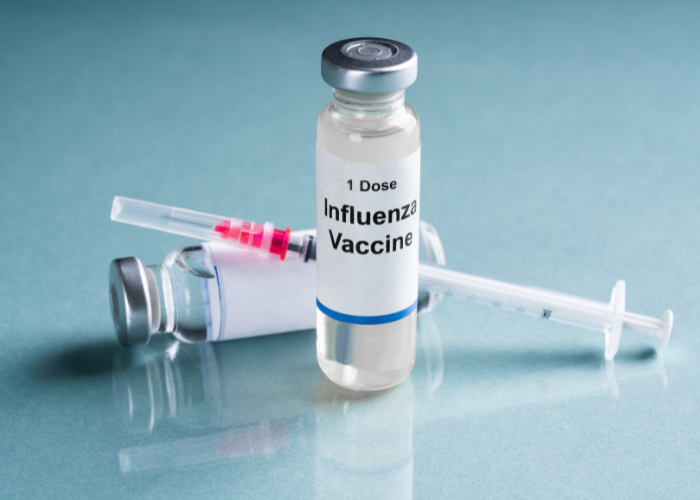
If you are yet to get your influenza vaccination, now is the time. Seasonal influenza is a seasonal epidemic that affects up to a billion individuals annually. 3–5 million out of this number end up becoming cases of severe illness.
National Influenza Vaccination Week is observed every December to remind individuals to get protected before flu season peaks. It’s a crucial final opportunity to safeguard your family’s health.
In this guide, you will understand the importance of vaccination during influenza vaccination week, learn where to find convenient vaccination services and discover how organizations like the Islamic Medical Association of North America, IMANA, support communities with accessible healthcare and personalized guidance throughout the flu season.
What Is National Influenza Vaccination Week All About?
The National Influenza Vaccination Week (NIVW) started in 2005 as a Centers for Disease Control and Prevention (CDC) initiative to remind the general public that it is not too late to get vaccinated. This campaign educates both the public and healthcare providers that vaccination remains the most effective method of flu prevention, even as winter approaches.
NIVW takes place during the first full week of December each year. In 2025, it runs from December 1-5. While the ideal vaccination is September or October, December serves as an essential reminder to boost protection before flu activity peaks in late winter and early spring.
Getting vaccinated during NIVW matters because it takes approximately two weeks for the vaccine to reach full effectiveness in your body and this ensures you're protected as flu transmission intensifies through the holiday season and into May.
Why Is December Flu Vaccination Important?
Influenza vaccination has several benefits to individuals and to the general community. Here are some reasons why you should prioritize getting vaccinated this December:
It Prevents Flu Illness
Influenza vaccines prevent millions of people from getting sick each year. It works even more when you get the vaccine before flu peak seasons. Flu transmission usually increases in late December and runs through till May. December is a period of holiday gatherings and so many activities, you have shared meals, busy supermarkets and more indoor events. All these events increase the chance of influenza transmission.
Getting your vaccine during NIVW protects you when you need it most.
It Reduces the Severity of Illness:
Even if you've already been exposed to the flu or catch it after vaccination, the vaccine significantly reduces illness severity. Vaccinated individuals typically experience milder symptoms, recover faster, and can often manage their illness with home care.
According to CDC data, vaccination reduces the need for doctor visits by 40-60% and substantially decreases hospitalization rates and influenza-related deaths.
It Reduces Complications for Special Populations
Getting the vaccine reduces the risk of hospitalization in babies, pregnant mothers, older adults, and people with chronic health conditions. When pregnant mothers take the vaccine, they keep themselves and their babies safe from the flu.
In patients with conditions like chronic obstructive pulmonary disease (COPD), Flu shots ensure that the condition does not worsen.
It Strengthens Community Protection
Influenza vaccination protects so many people in the community and ensures that the flu cannot spread to individuals who need extra protection. For instance, if every member of a community gets vaccinated, they confer herd immunity, which creates a barrier that stops the flu from reaching the most vulnerable in the community.
Who Should Get A Flu Vaccine During NIVW?
The CDC recommends annual vaccination for everyone 6 months and older in the United States. The exception is for people who have rare contraindications to some of the vaccine components.
Children above six months are most susceptible to catching the flu as their immune system is developing. For adults, they face different risks depending on underlying conditions. If you are a healthcare worker or caregiver, you need strong protection. You can be more exposed to vulnerable individuals who may spread the virus to you.
Where To Get Your Influenza Vaccination
Influenza shots are conveniently available at multiple locations, including your healthcare center, pharmacies, vaccination clinics, and even through some employers.
A simple way to locate the nearest center to you is to visit vaccines.gov and enter your zip code. When you find the nearest center, contact them to discuss insurance coverage and out-of-pocket costs, vaccine types (standard dose, high-dose for seniors 65+, or cell-based options) and schedule an appointment.
When you get to these locations, you will find licensed individuals ready to administer the vaccine. The following people can administer the vaccine.
- General Practitioners and family physicians
- Practice Nurses and Registered Nurses
- Licensed Pharmacists
- Licensed Practical Nurses (LPNs), and
- Medical Assistants under physician supervision
IMANA's Commitment to Community Health Education
A key aspect of NIVW is to educate the public. The CDC collaborates with several healthcare providers, workplaces, and local organizations like IMANA to raise awareness about the importance of flu vaccination.
IMANA plays a key role in promoting flu protection through comprehensive community outreach and education. The Islamic Medical Association of North America supports vaccine clinics and local health events while providing relief packages to support families in need, reflecting our commitment to accessible public health.
Our team of medical professionals goes out to marginalized communities to raise awareness about the flu vaccine. This December, we invite you to join us in raising awareness. You can support our outreach efforts through a donation or by sharing this important health information with friends, family, and neighbors. You can also join our webinar to learn more about how to deal with this situation.